Dental advice, patient guides, and everything in between
Need product recommendations?
〰️
Click here
〰️
Need product recommendations? 〰️ Click here 〰️
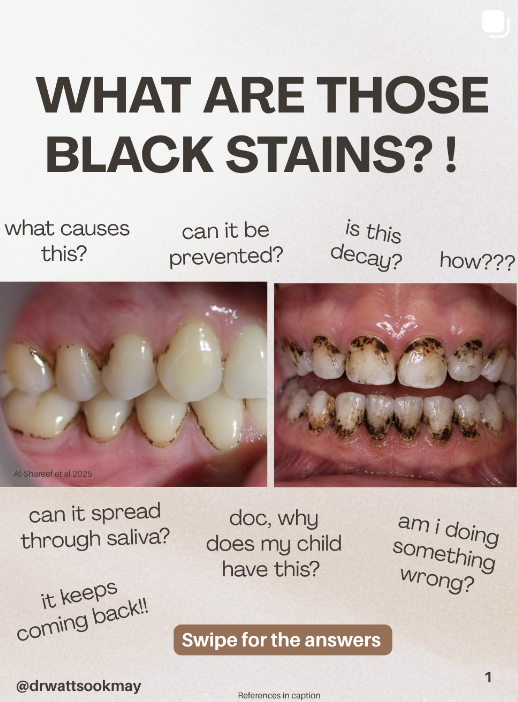
🛑 BLACK STAINS ON YOUR TEETH? Before you panic…
What exactly are those stubborn black stains on your teeth? 🛑Before you panic — they’re not necessarily tooth decay!
Swipe through to learn:🦷 what these black stains actually are, 🔍 how they differ from other types of tooth stainsm ✨ how we remove them in the clinic, 🔄 and why it keeps coming back even after a cleaning.

Could your child have cavities? Here’s a free check you can do at home 👀
This is NOT a replacement for a dental checkup, but there are 2 important reasons I’m sharing this

5 Things That Can Help Your Child Feel More Comfortable at the Dentist
Taking your child to the dentist for the first time can feel daunting, especially if you’re not sure how they will react. Will they sit in the dental chair? Will they open their mouth? Will they cry?
As a Singapore dentist who sees children as part of my general dental practice, I’ve noticed that some 3- to 6-year-olds tend to settle into the dental environment more easily. While every child is different, there are a few things these children often have in common.

Tooth Extraction: 3 Things Older Adults & Their Families Should Know Before an Appointment
Have parents or grandparents with a toothache or a loose tooth who are thinking about having it extracted? 🦷
Before their appointment, here are 3 important things they should know.

How We Make Your Child’s First Dental Visit Comfortable | Preschool Dental Tips for Parents
Taking your preschooler to the dentist for the first time? 🦷👧🏻
It’s completely normal for children to feel nervous or unsure — especially when everything is new.
At the first visit, our goal isn’t to force a child into the dental chair. We introduce them to the chair and instruments, let them explore at their own pace, and use simple explanations and role play to help them understand what’s going to happen.


Attention parents: 7 signs there could be something wrong with your child’s teeth
Please share this with parents you know!
It’s very common for children to be referred for an orthodontic assessment. However, in reality, not every referral is followed through. Sometimes the referral is forgotten, misplaced, or simply delayed because the child isn’t experiencing any pain.
By the time some children eventually present for an orthodontic assessment, the ideal window for certain growth modification treatments may already have passed. Not every child needs early orthodontic treatment, but an assessment allows us to determine whether treatment is needed now, later, or simply to monitor growth and tooth development.
This list is not exhaustive, but I hope it raises awareness of some of the bite problems that can occur during childhood and why early assessment can sometimes make a significant difference.
Disclaimer: This video is for patient education only and is not intended to substitute professional dental or orthodontic advice. Every child is different, and treatment recommendations should be based on an individual clinical assessment.

Want an earlier dental or medical Appointment? - try this simple trick
Have you ever been told the next available appointment is three or four months away? Here’s a little “open secret” that many healthcare workers know.

Can Braces Change the Shape of Your Face?
If you have been wondering whether orthodontic treatment can change your face shape, whether braces affect your side profile, or what the difference is between growth modification and jaw surgery in Singapore, this post covers the key clinical principles behind these questions.
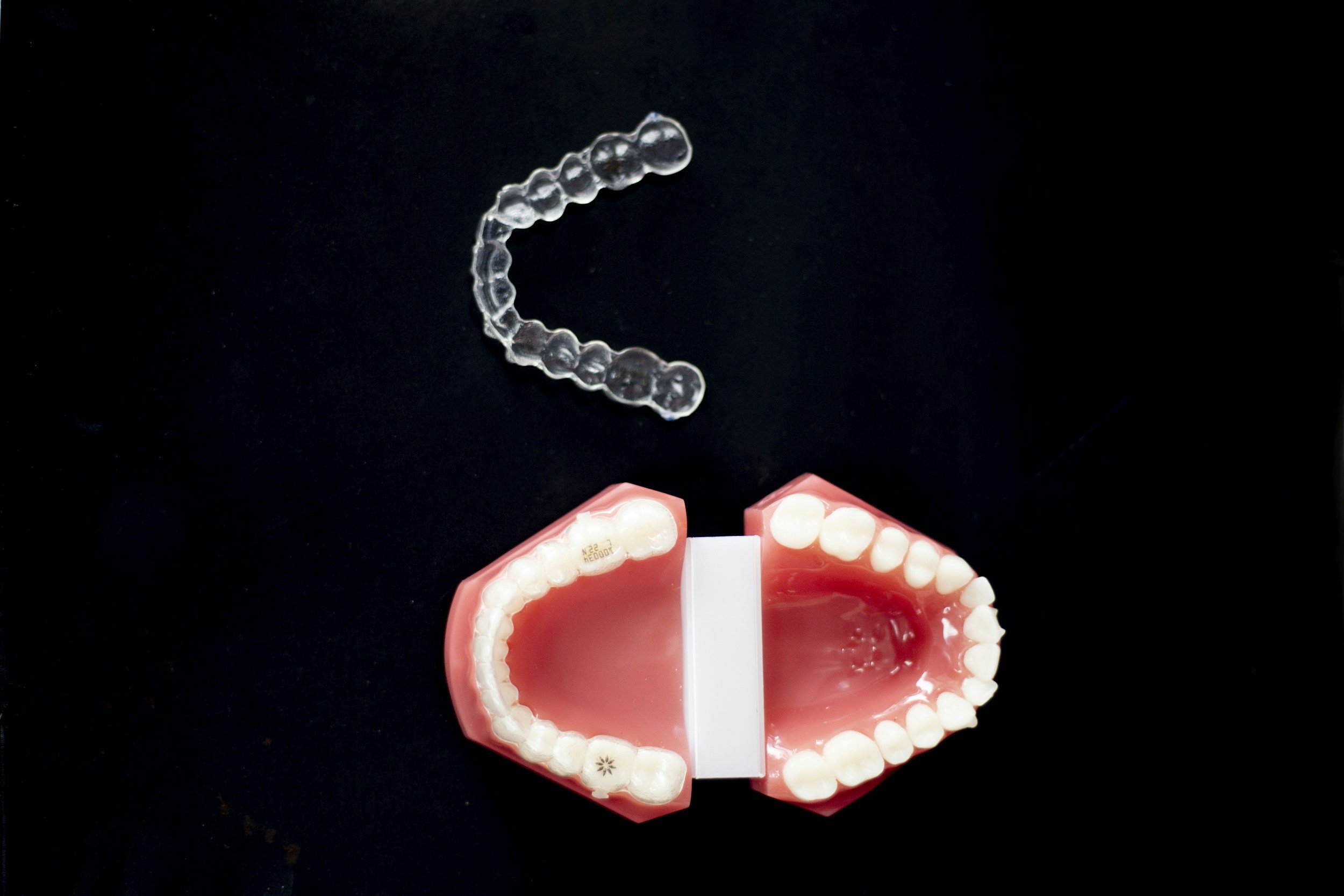
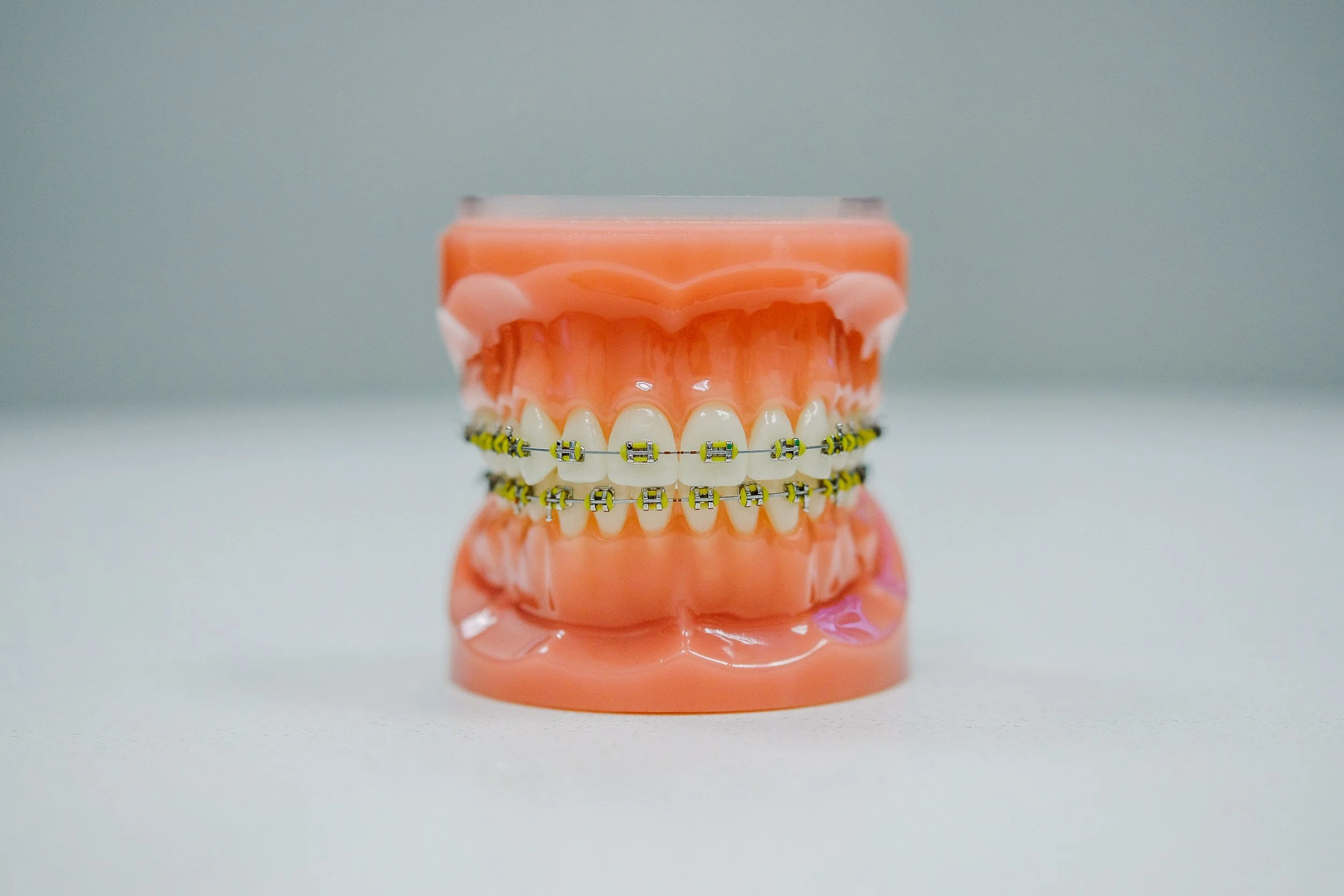
Braces in Singapore: Cost, Pain, Best Age to Start & Everything Else You're Probably Googling at 1am
How much do braces cost in Singapore? Are they painful? What's the best age to start, and can adults get them too? These are the questions I get asked in nearly every consultation — so here's what I'd actually tell you if you were sitting in my chair, from cost and pain to timelines and whether braces or clear aligners are the better fit for you.
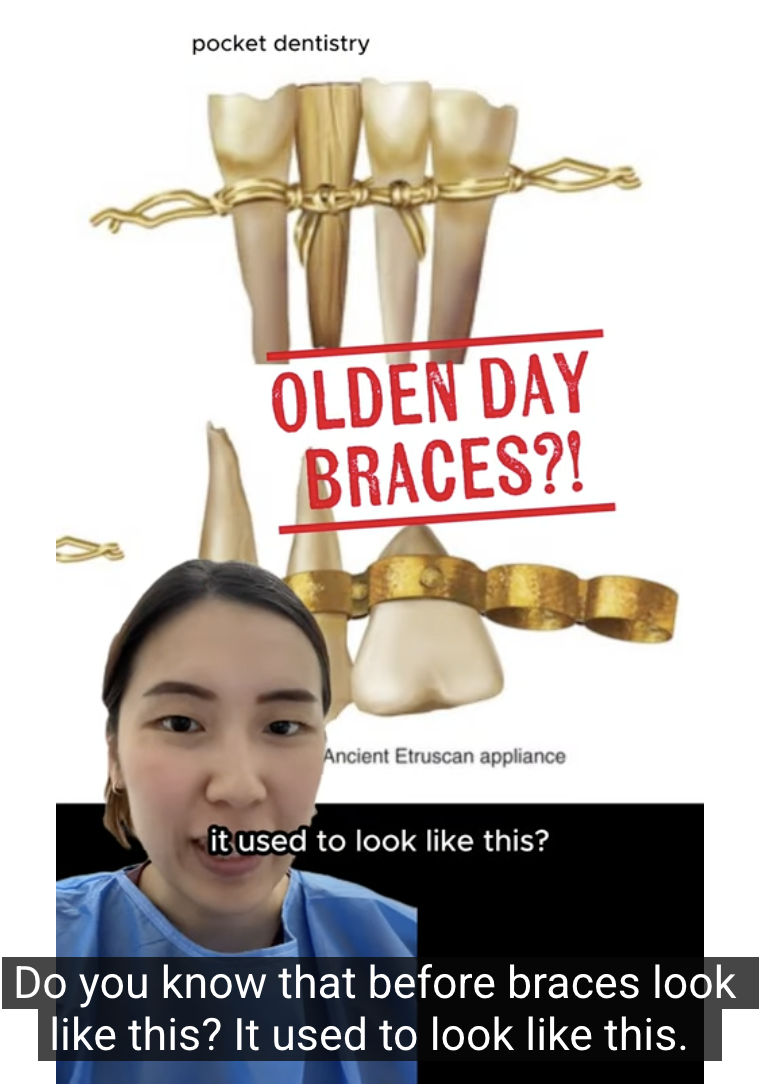
The Real Reason Your Singapore Doctor Never Posts Transformation Photos
the real reason why your singapore doctor never posts a transformation
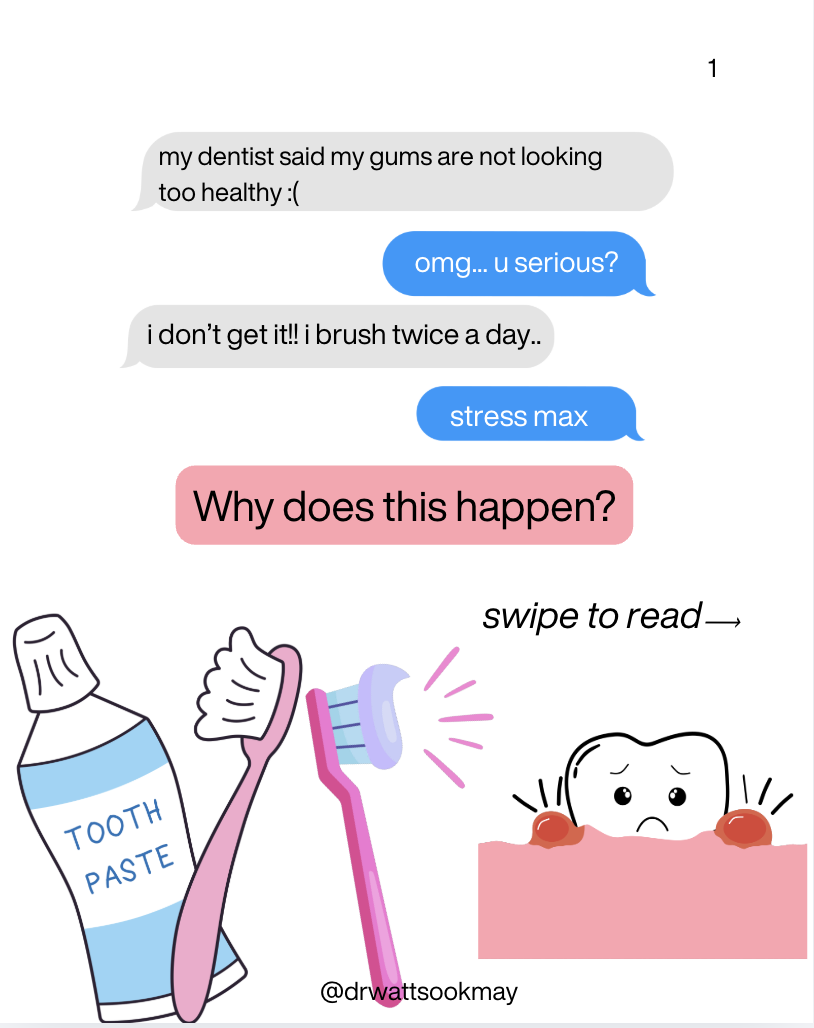
How to use a plaque disclosing toothpaste
Brushing Twice a Day Doesn’t Always Mean You’re Brushing Effectively
One of the most common things I hear from patients is:
“But I brush my teeth twice a day!”
And I believe them.
🦷 Before you start Invisalign or clear aligner treatment, ask yourself this
Thinking about Invisalign or clear aligner treatment? 🦷 One of the biggest factors affecting aligner success is patient compliance. Clear aligners typically need to be worn around 20–22 hours per day to achieve predictable tooth movement.
What happens when you stop brushing your teeth?
When you don't brush your teeth regularly, plaque — a soft film of bacteria — hardens into calculus (also called tartar) within days. Unlike plaque, calculus cannot be removed with a toothbrush alone; it requires professional removal by a dentist through a procedure called scaling. The earliest sign of gum disease is gingivitis — characterised by red, puffy gums that bleed easily when brushing.
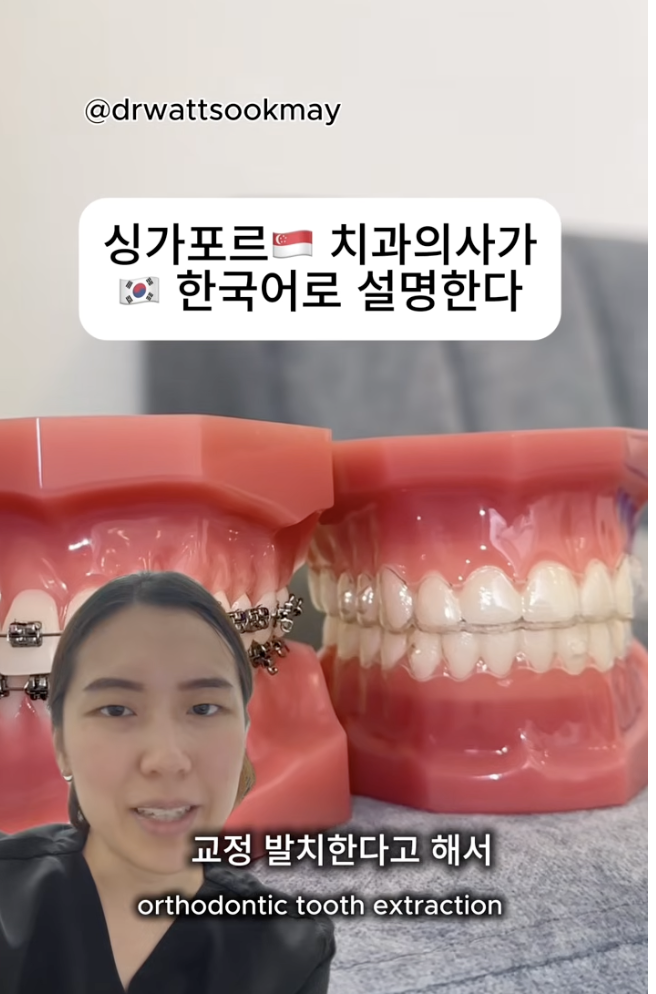
Will orthodontic extractions flatten my face?
Extractions do not automatically flatten your face. It’s sad to see how orthodontic extractions have been unfairly demonized online.
The truth is, whether facial profile changes occur depends largely on the treatment mechanics used to close the extraction spaces. (In other words, how we close the space and what the space is used for)
In some situations, extractions are the most biologically sound option. When crowding is too severe, trying to avoid extractions at all costs may push the teeth outside the natural boundaries of the supporting bone. This can increase the risk of gum recession, bone loss, and unstable treatment results.
Orthodontic treatment should be individualized to create a healthy, stable, and balanced outcome.
As always, treatment decisions should be based on a thorough clinical examination, facial analysis, and discussion with your dentist.
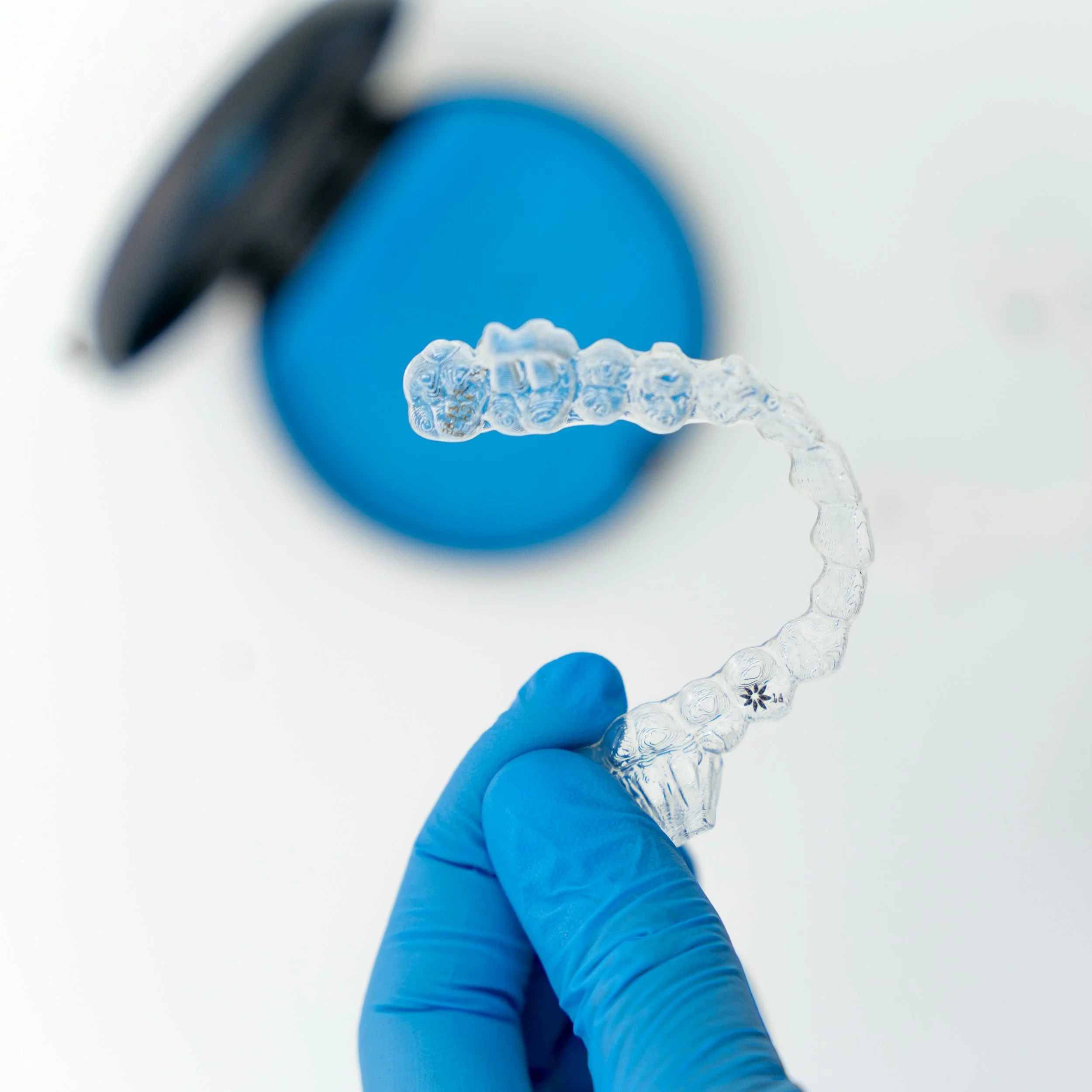
What aligners are not: 5 Things Your Dentist Wants You to Know Before You Start
Thinking about clear aligners? Before you commit, here are 5 things aligners are not. Because good treatment starts with realistic expectations.
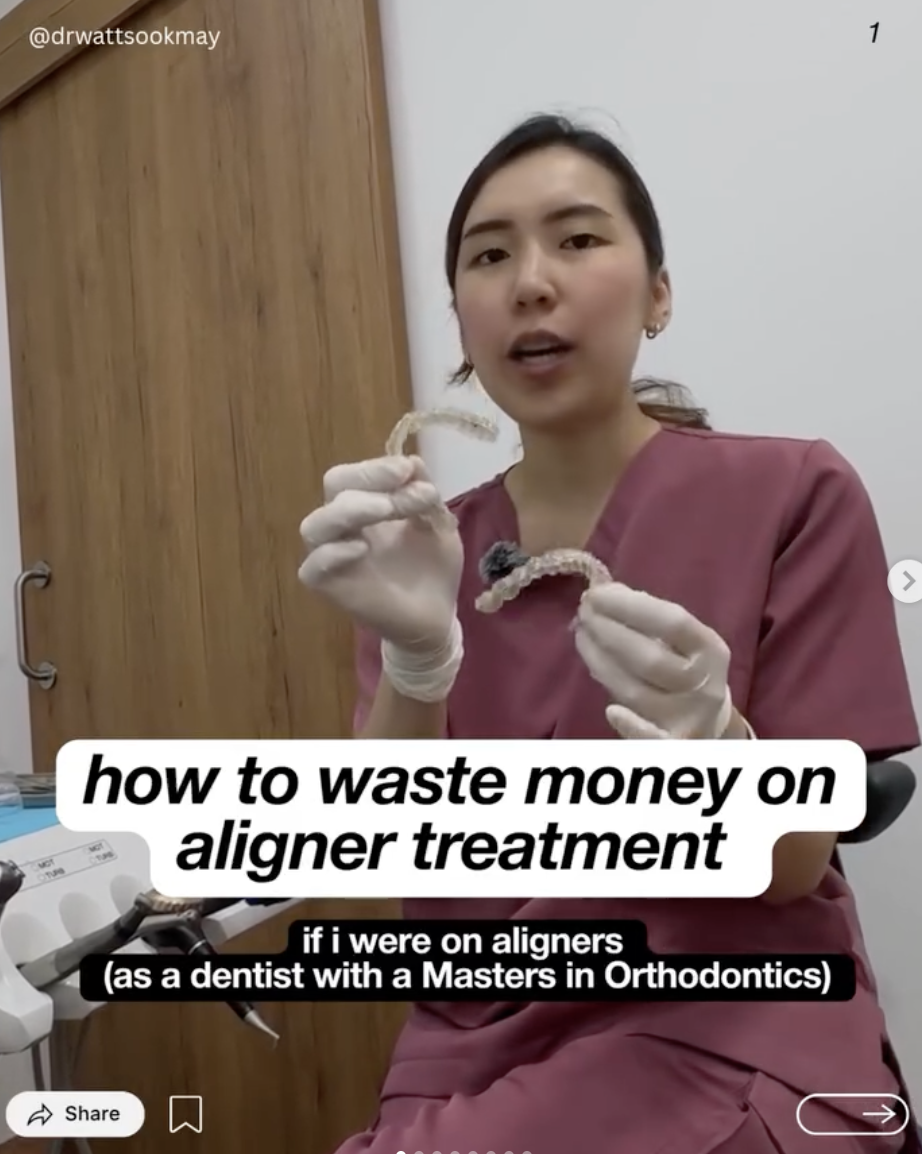
how to waste money on aligner treatment
(a guide from your dentist with a masters in orthodontics)
aligner treatment only works when you wear it consistently — and yet so many patients unknowingly sabotage their own results. from storing aligners in tissue paper to skipping appointments and ignoring elastics, the small habits add up fast.
so here's your complete guide on how to waste money on aligner treatment. from a dentist with a masters in orthodontics. you're welcome.
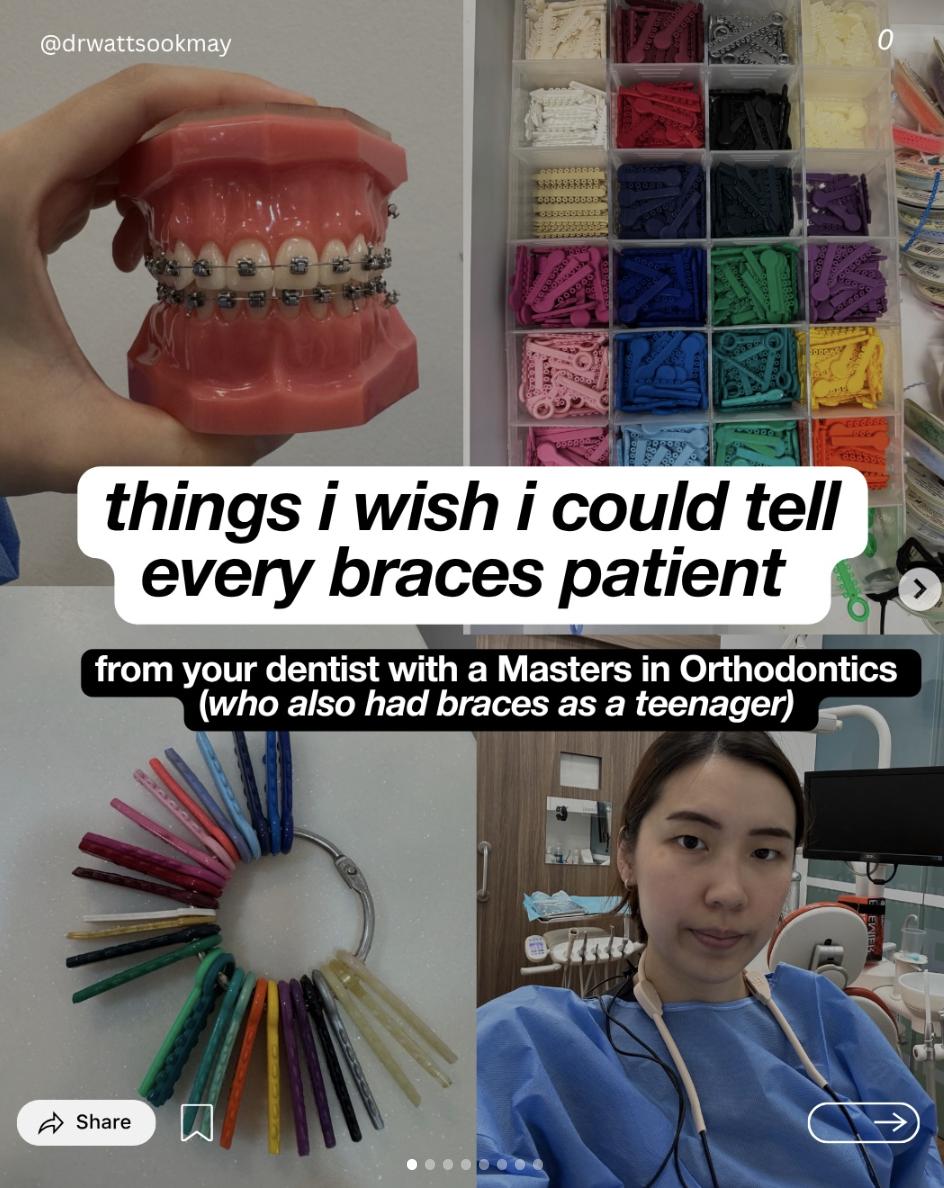
Things I Wish I Could Tell Every Braces Patient
Thinking about braces or currently undergoing orthodontic treatment? Here are the practical tips I wish every braces patient knew—from appointment scheduling and travel planning to elastic wear and stain prevention. Small habits can make a big difference to your braces journey.