Dental advice, patient guides, and everything in between
Need product recommendations?
〰️
Click here
〰️
Need product recommendations? 〰️ Click here 〰️
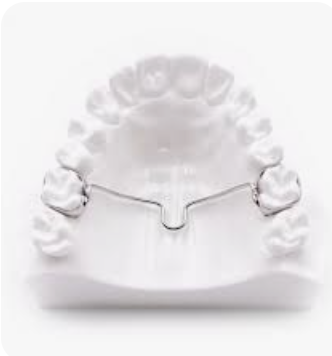
Your guide to the transpalatal arch and lingual arch
Your dentist has fitted you with a transpalatal arch or lingual arch — a fixed metal bar that sits across the roof of your mouth or behind your lower front teeth. Here is everything you need to know about what to expect and how to care for it.
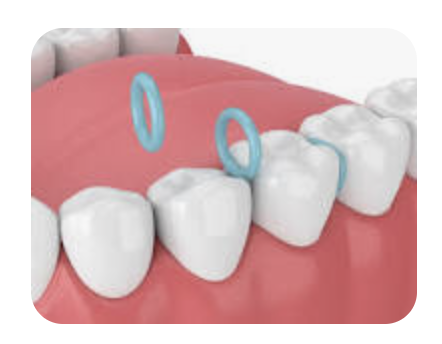
Your guide to orthodontic separators
If your dentist has placed separators between your teeth today, you might be wondering what exactly they are and what to expect over the next few days. Here's everything you need to know.
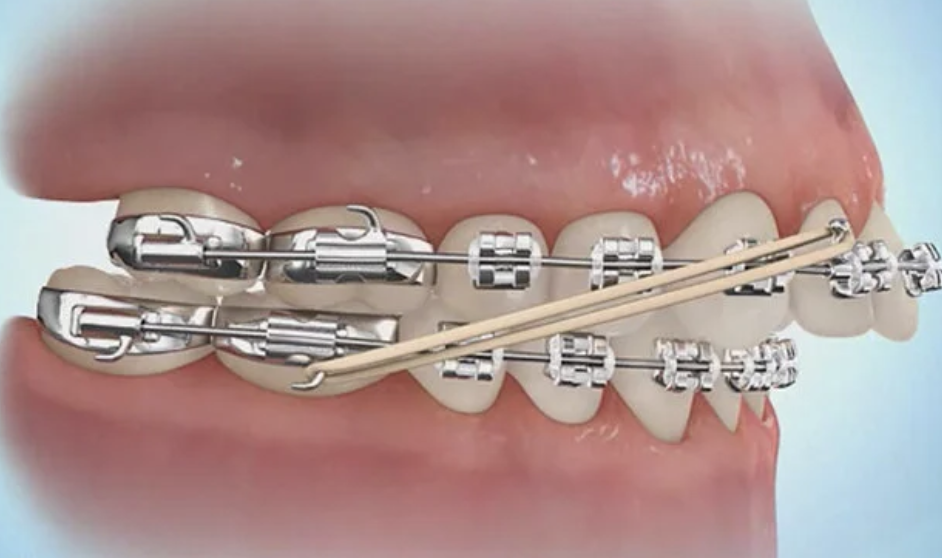
How to wear orthodontic elastics
Orthodontic elastics are small rubber bands that connect your upper and lower braces or aligner attachments to apply gentle but consistent force across the jaws. Unlike the archwire which moves individual teeth, elastics work on a larger scale — they correct the relationship between the upper and lower jaw and teeth.

Oral hygiene & patient guide after orthognathic surgery
Orthognathic surgery — commonly known as jaw surgery — is a significant procedure, and how well you care for yourself in the recovery period plays a huge role in how smoothly and comfortably you heal. This guide covers everything you need to know about oral hygiene, eating, recovery, and what to expect in the days, weeks, and months after your surgery.
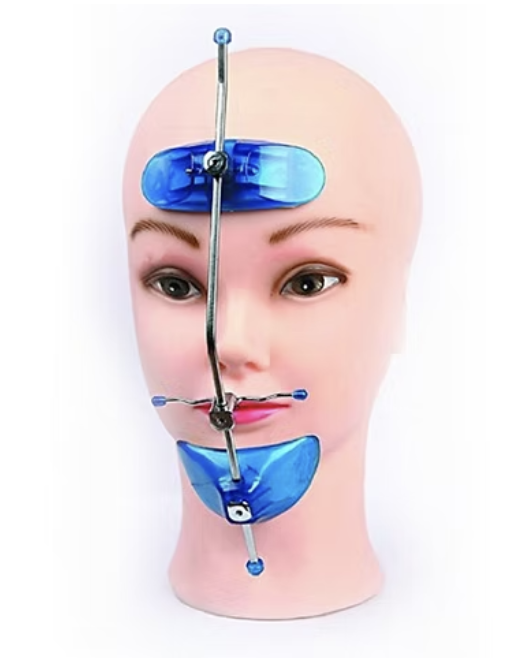
Patient guide for Facemask Protraction with expander
A facemask — also known as a reverse pull headgear or protraction facemask — is an orthodontic appliance worn on the outside of the face that works in combination with an expander inside the mouth to guide the growth of the upper jaw forward. It is used to correct a specific type of bite problem called an underbite caused by an underdeveloped upper jaw — and it is most effective when used during periods of active growth in children and young adolescents. Here is your complete guide.
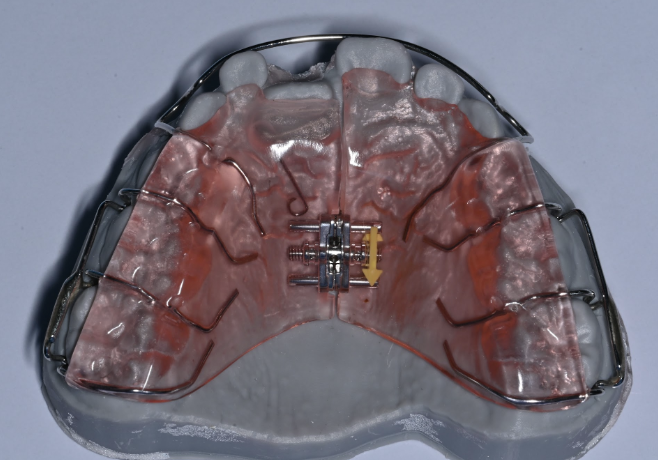
Patient guide for removable appliances
Removable orthodontic appliances come in many forms — from appliances with Z-springs that tip or move individual teeth, to removable expanders that gently widen the dental arch.
Whatever type your dentist has prescribed, the principles of wearing and caring for your appliance are the same. Here's your complete guide.
Patient guide after Maxillary Skeletal Expander (MSE) placement
A Maxillary Skeletal Expander — or MSE — is a bone-anchored palatal expander that is used to widen the upper jaw. Unlike traditional palatal expanders that work by pushing on the teeth, the MSE is anchored directly into the bone of the palate using small titanium mini-screws, allowing it to widen the jaw itself at the midpalatal suture.
It is a highly effective appliance for patients who need significant skeletal expansion — and understanding what to expect after placement will make the process much smoother. Here's your complete guide.
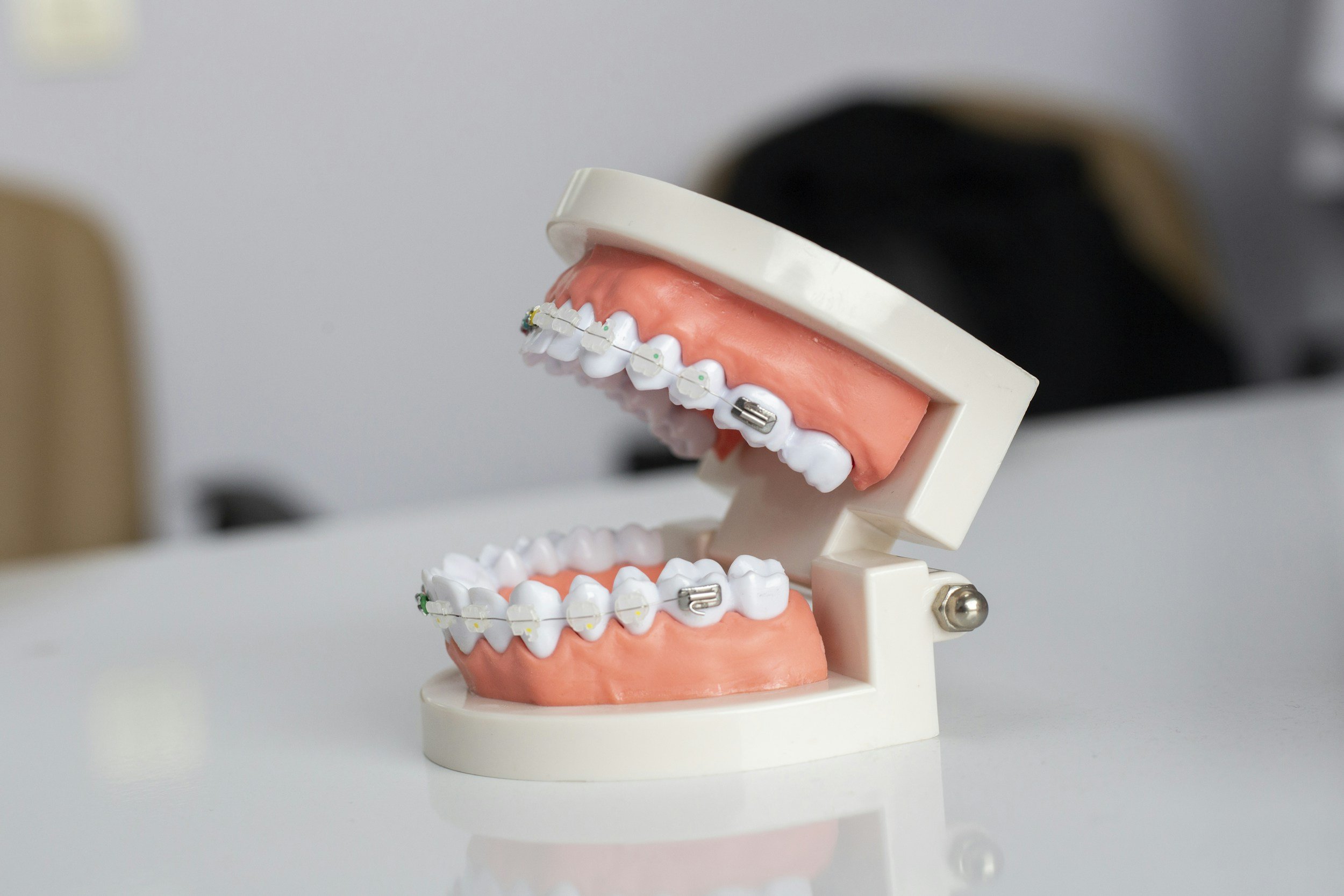
Patient guide After TAD Placement
A TAD — or Temporary Anchorage Device — is a small mini-screw that is placed into the jawbone to provide a fixed point of anchorage during orthodontic treatment. Think of it as a tiny anchor that helps your orthodontist move specific teeth more precisely and efficiently than traditional braces or aligners alone can achieve. Here's everything you need to know after having your TAD placed.
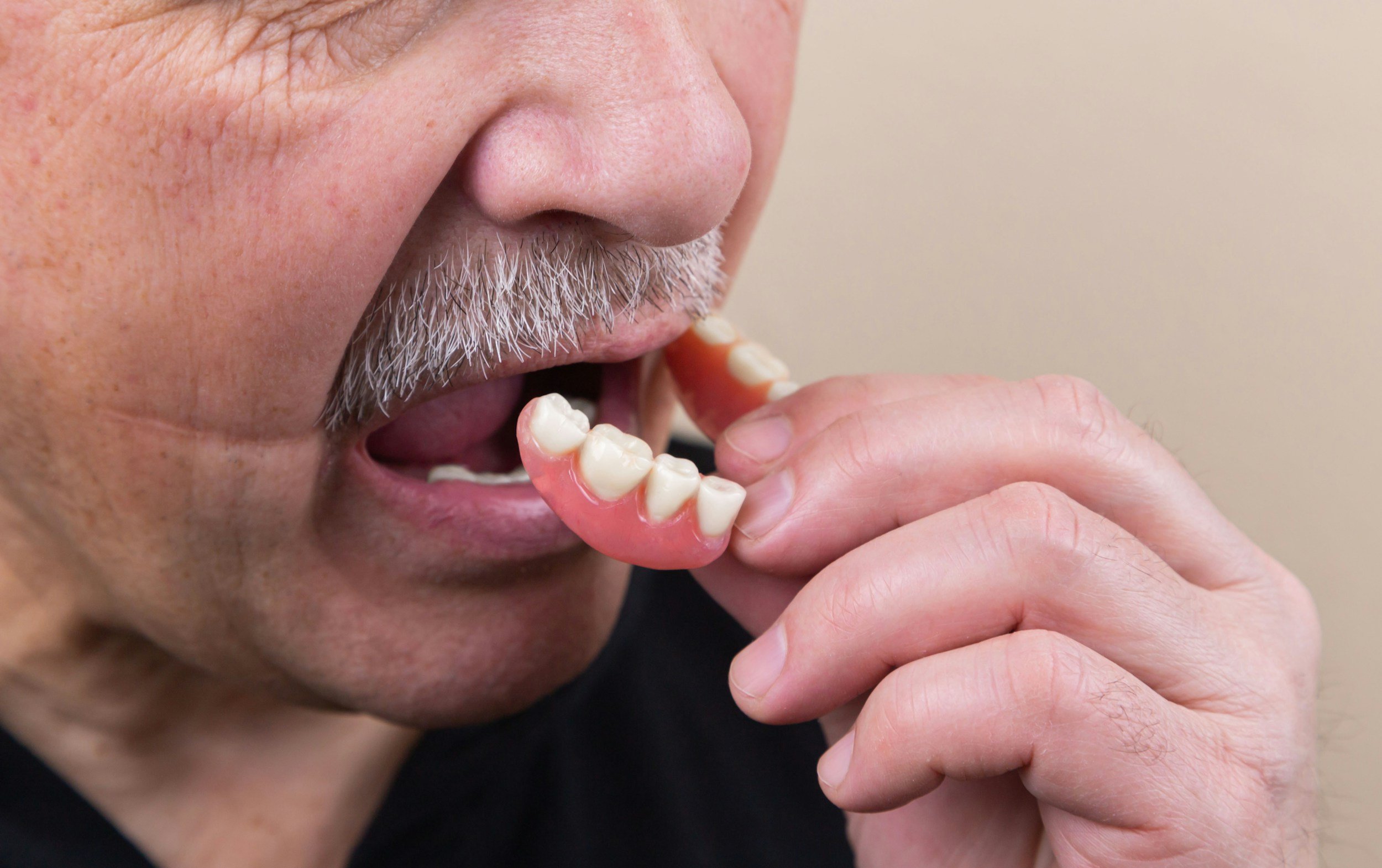
Denture care instructions
Getting used to new dentures takes time and patience — and that's completely normal. Here's a comprehensive guide to help you adjust comfortably and keep your dentures in great condition.
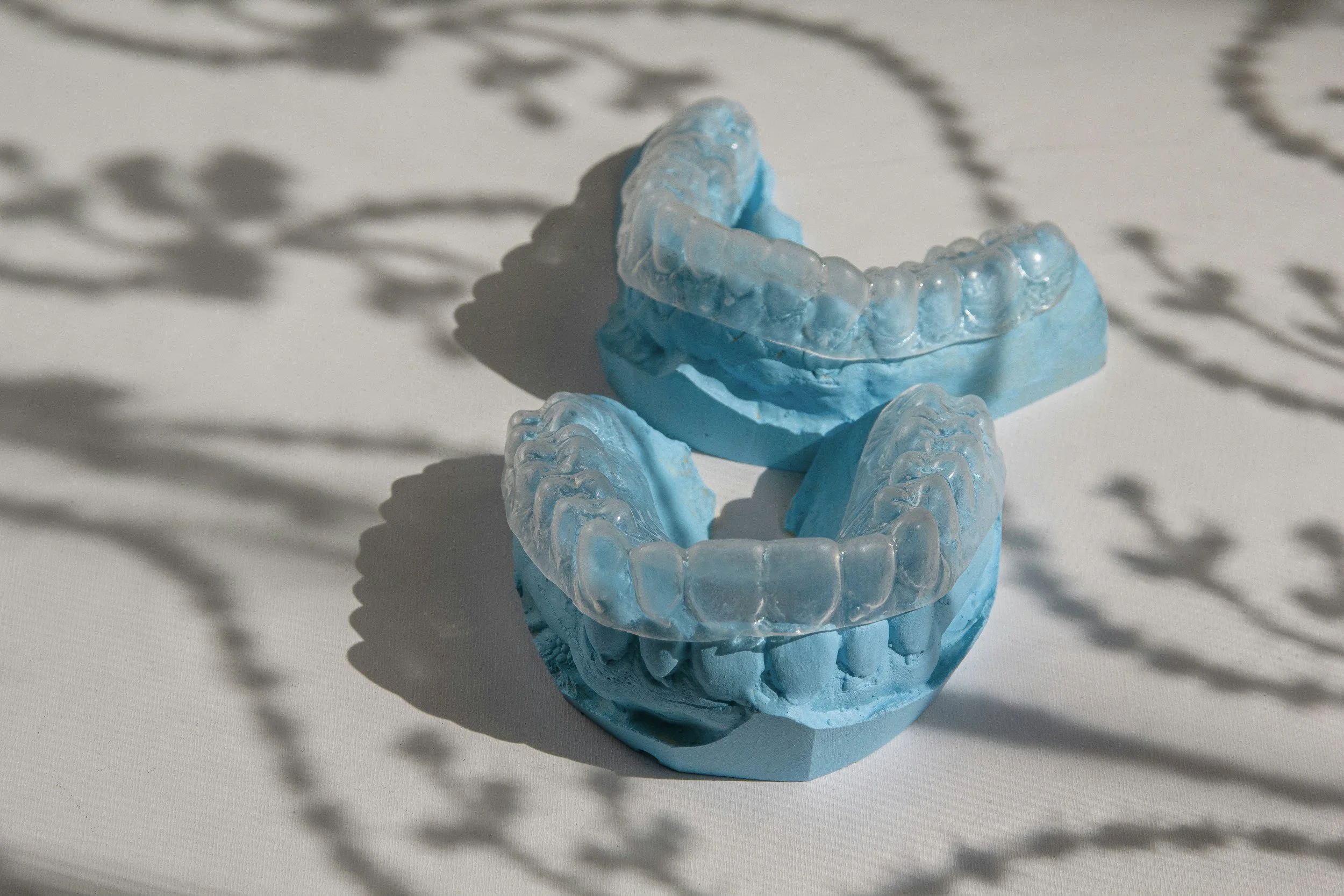
How to use take-home whitening trays
Take-home whitening is a safe, effective, and convenient way to brighten your smile at your own pace. For the best results, please follow these instructions carefully.
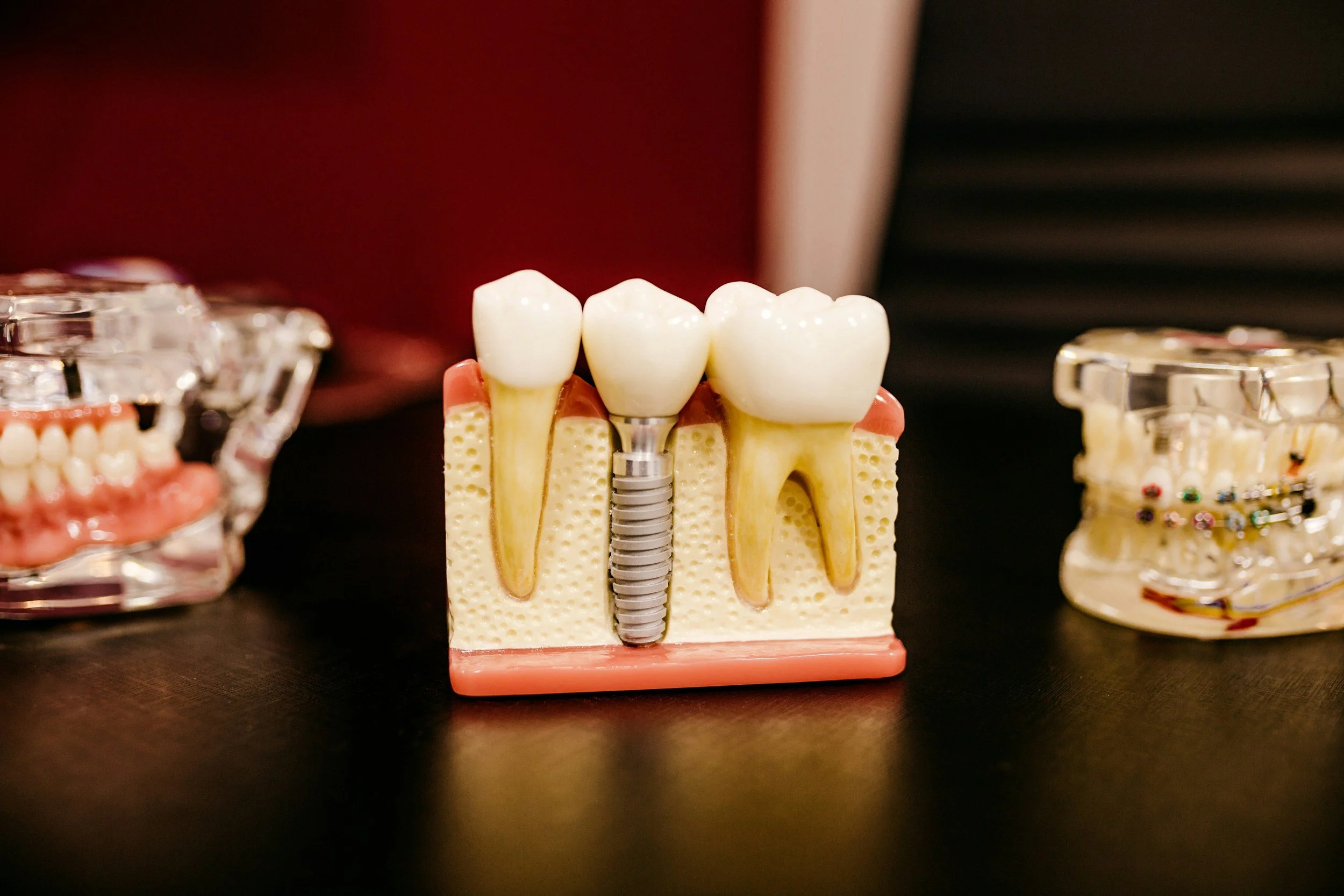
Post-implant care instructions
Congratulations on your new dental implant! Implants are a fantastic long-term solution for replacing missing teeth — but the healing period after placement is critical to their success. Please follow these instructions carefully.