Dental advice, patient guides, and everything in between
Need product recommendations?
〰️
Click here
〰️
Need product recommendations? 〰️ Click here 〰️

Attention parents: 7 signs there could be something wrong with your child’s teeth
Please share this with parents you know!
It’s very common for children to be referred for an orthodontic assessment. However, in reality, not every referral is followed through. Sometimes the referral is forgotten, misplaced, or simply delayed because the child isn’t experiencing any pain.
By the time some children eventually present for an orthodontic assessment, the ideal window for certain growth modification treatments may already have passed. Not every child needs early orthodontic treatment, but an assessment allows us to determine whether treatment is needed now, later, or simply to monitor growth and tooth development.
This list is not exhaustive, but I hope it raises awareness of some of the bite problems that can occur during childhood and why early assessment can sometimes make a significant difference.
Disclaimer: This video is for patient education only and is not intended to substitute professional dental or orthodontic advice. Every child is different, and treatment recommendations should be based on an individual clinical assessment.

Can Braces Change the Shape of Your Face?
If you have been wondering whether orthodontic treatment can change your face shape, whether braces affect your side profile, or what the difference is between growth modification and jaw surgery in Singapore, this post covers the key clinical principles behind these questions.
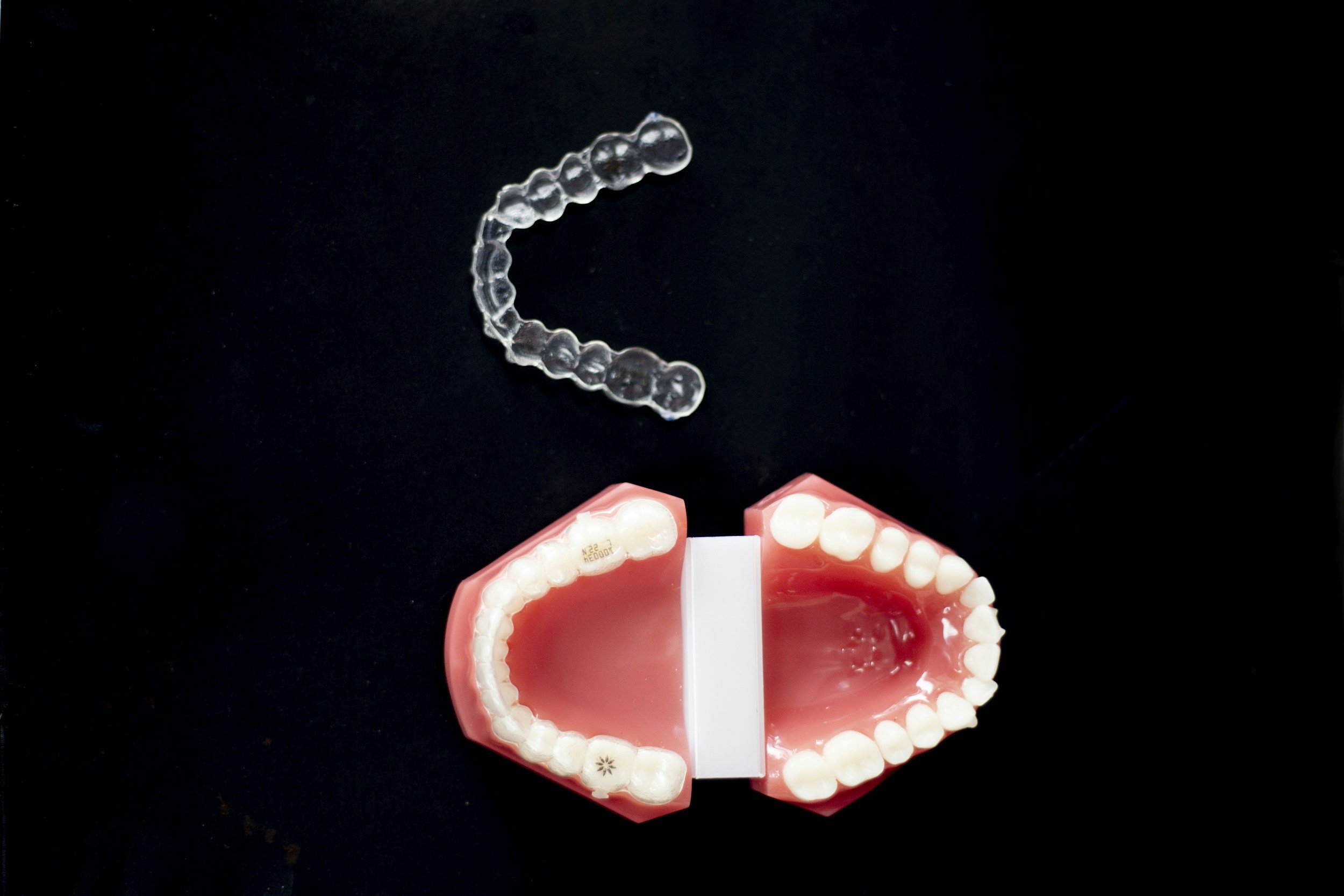
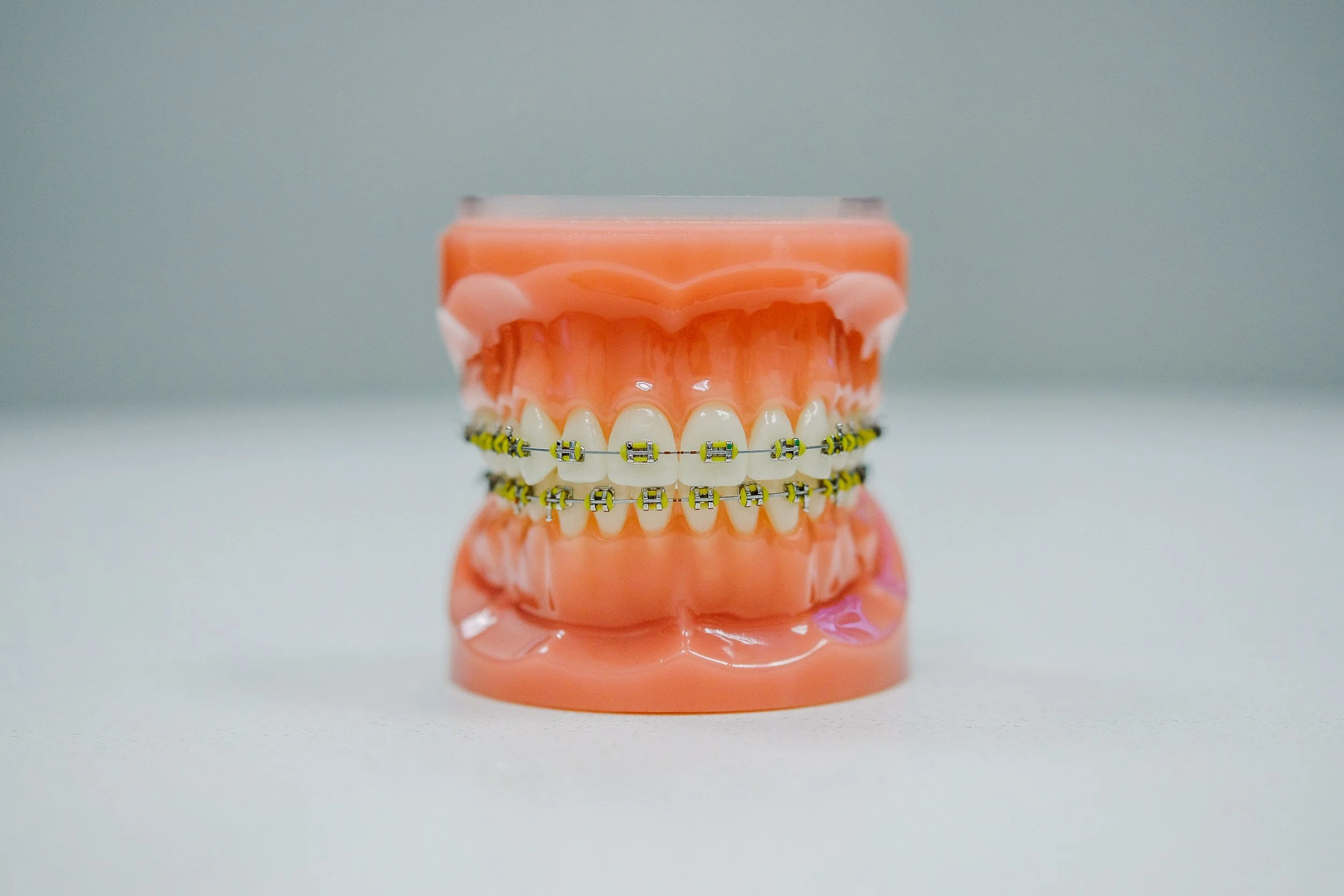
Braces in Singapore: Cost, Pain, Best Age to Start & Everything Else You're Probably Googling at 1am
How much do braces cost in Singapore? Are they painful? What's the best age to start, and can adults get them too? These are the questions I get asked in nearly every consultation — so here's what I'd actually tell you if you were sitting in my chair, from cost and pain to timelines and whether braces or clear aligners are the better fit for you.
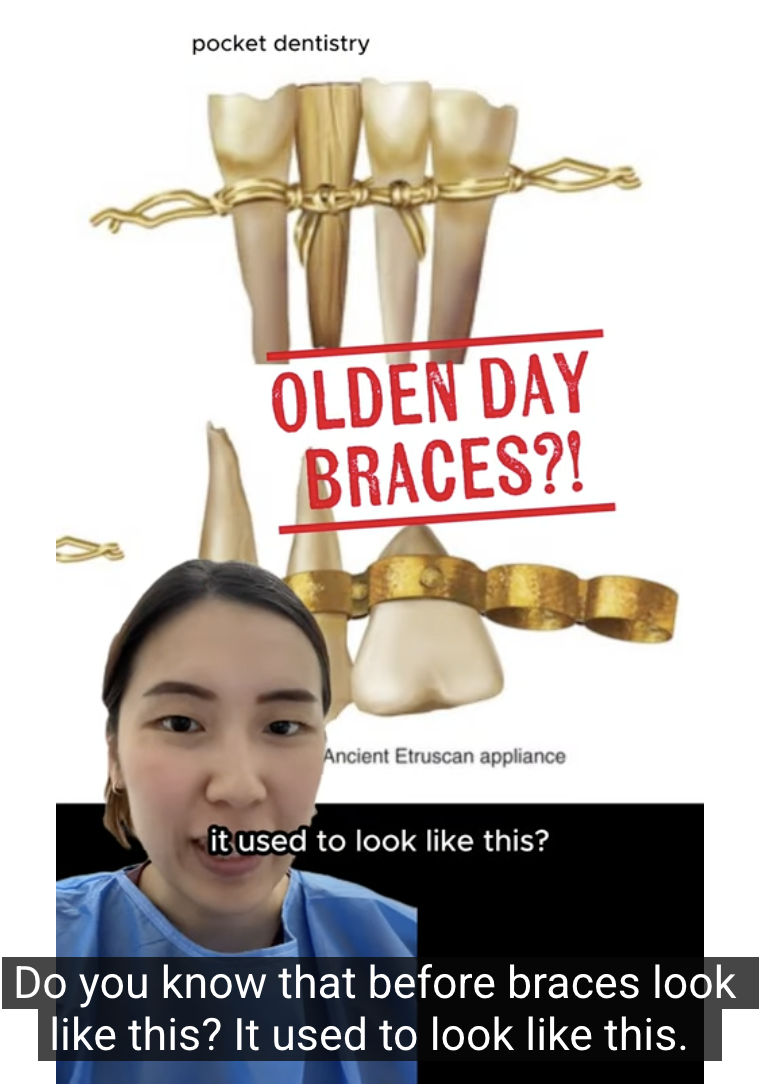

The Real Reason Your Singapore Doctor Never Posts Transformation Photos
the real reason why your singapore doctor never posts a transformation

🦷 Before you start Invisalign or clear aligner treatment, ask yourself this
Thinking about Invisalign or clear aligner treatment? 🦷 One of the biggest factors affecting aligner success is patient compliance. Clear aligners typically need to be worn around 20–22 hours per day to achieve predictable tooth movement.
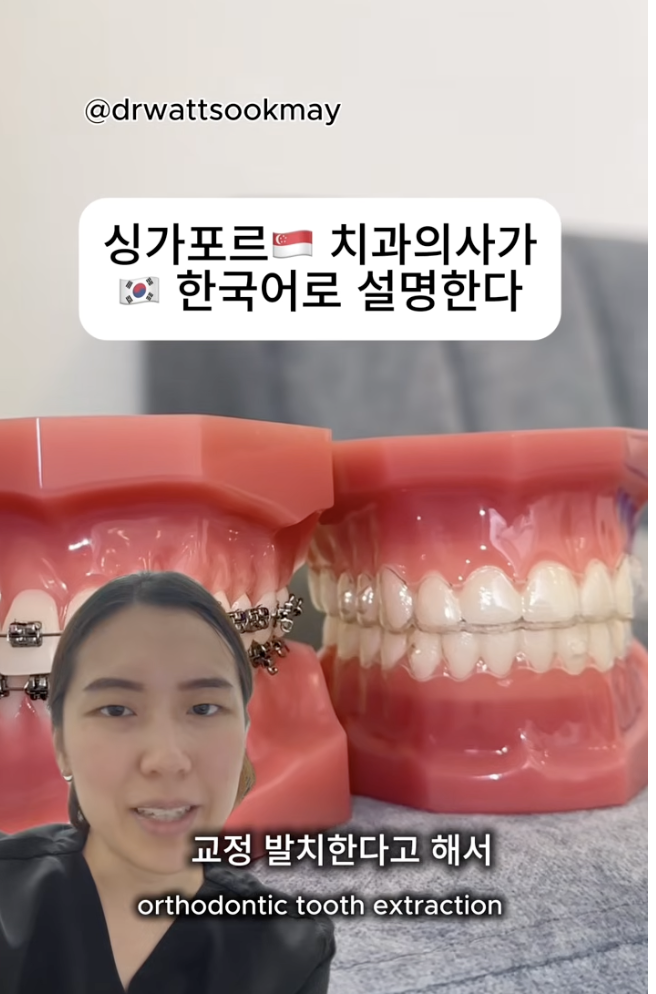
Will orthodontic extractions flatten my face?
Extractions do not automatically flatten your face. It’s sad to see how orthodontic extractions have been unfairly demonized online.
The truth is, whether facial profile changes occur depends largely on the treatment mechanics used to close the extraction spaces. (In other words, how we close the space and what the space is used for)
In some situations, extractions are the most biologically sound option. When crowding is too severe, trying to avoid extractions at all costs may push the teeth outside the natural boundaries of the supporting bone. This can increase the risk of gum recession, bone loss, and unstable treatment results.
Orthodontic treatment should be individualized to create a healthy, stable, and balanced outcome.
As always, treatment decisions should be based on a thorough clinical examination, facial analysis, and discussion with your dentist.
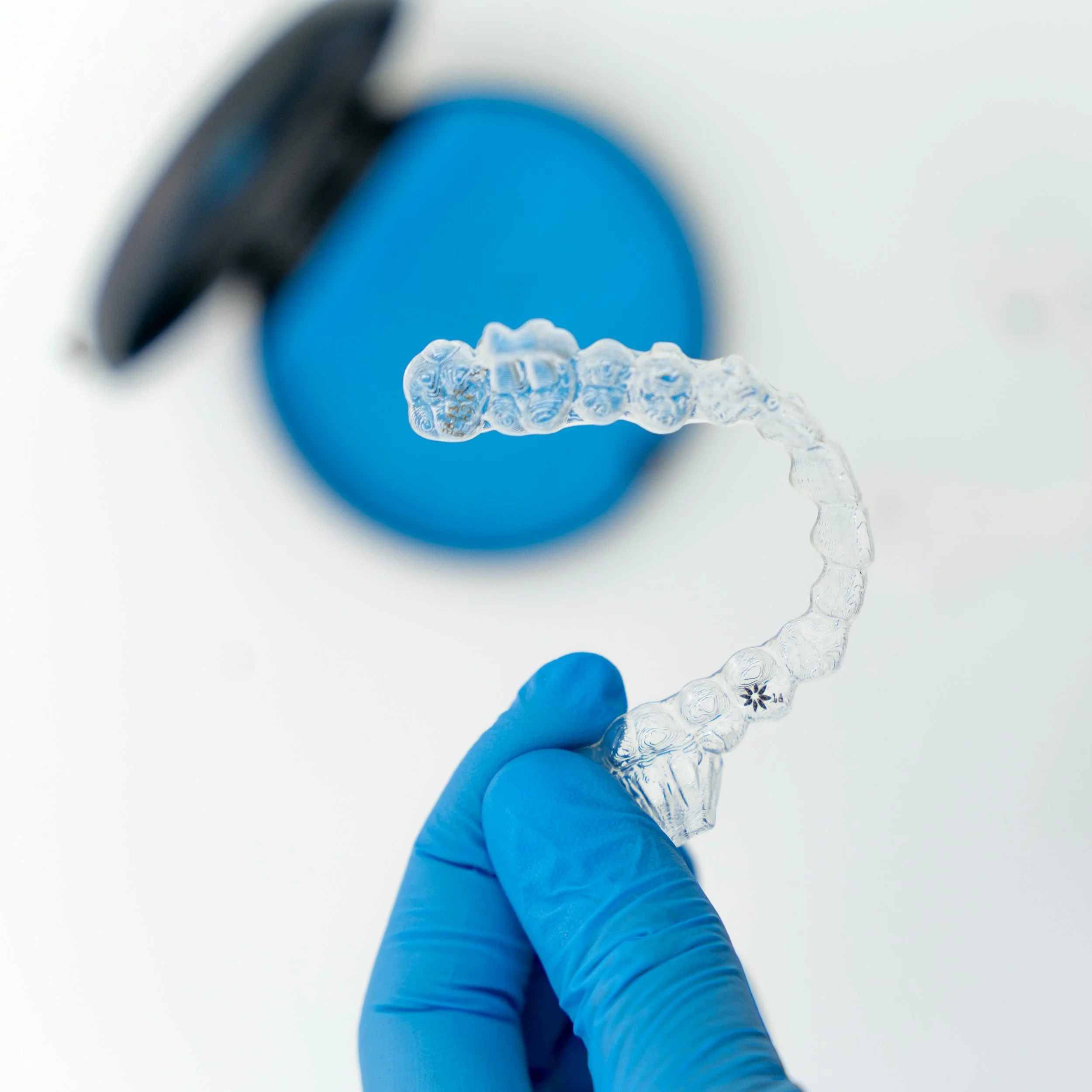
What aligners are not: 5 Things Your Dentist Wants You to Know Before You Start
Thinking about clear aligners? Before you commit, here are 5 things aligners are not. Because good treatment starts with realistic expectations.

how to waste money on aligner treatment
(a guide from your dentist with a masters in orthodontics)
aligner treatment only works when you wear it consistently — and yet so many patients unknowingly sabotage their own results. from storing aligners in tissue paper to skipping appointments and ignoring elastics, the small habits add up fast.
so here's your complete guide on how to waste money on aligner treatment. from a dentist with a masters in orthodontics. you're welcome.
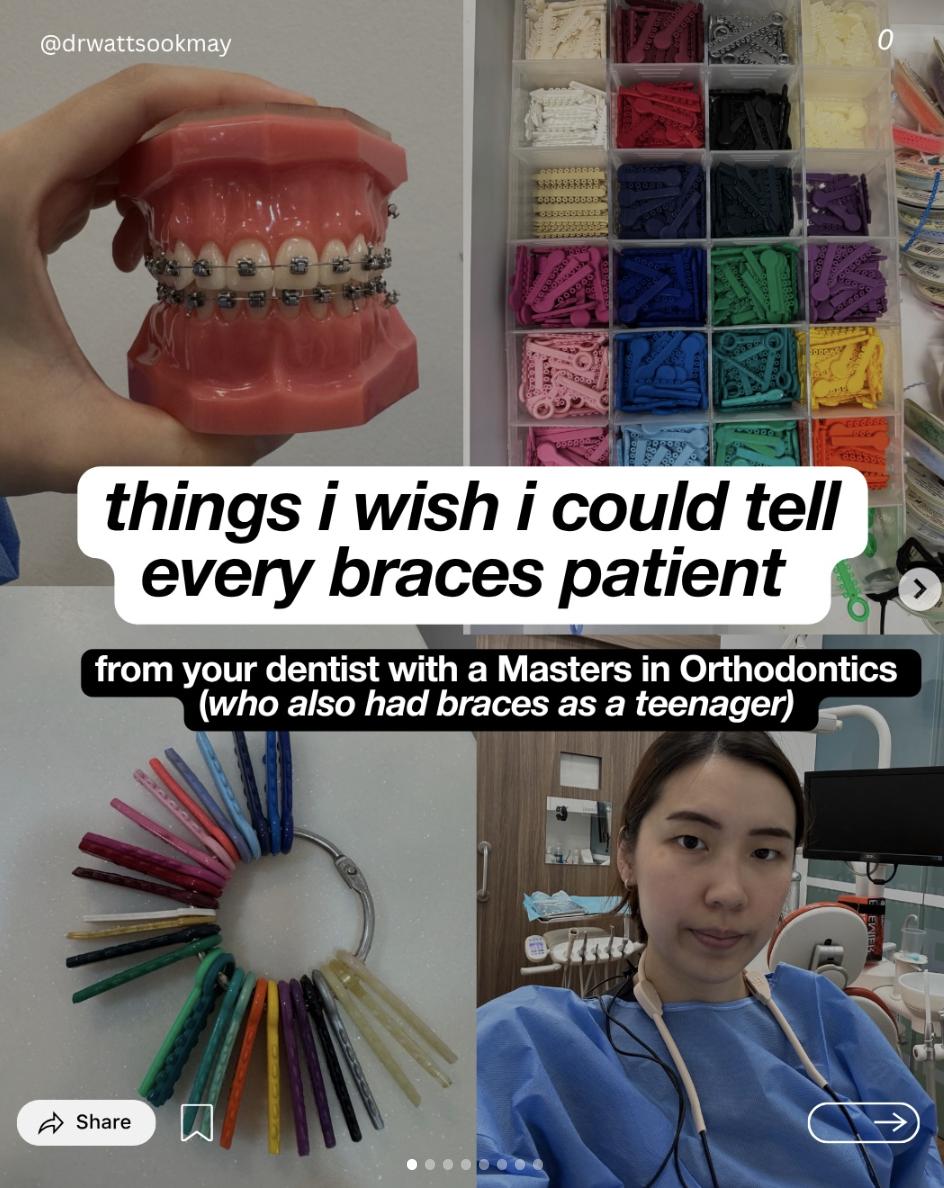
Things I Wish I Could Tell Every Braces Patient
Thinking about braces or currently undergoing orthodontic treatment? Here are the practical tips I wish every braces patient knew—from appointment scheduling and travel planning to elastic wear and stain prevention. Small habits can make a big difference to your braces journey.
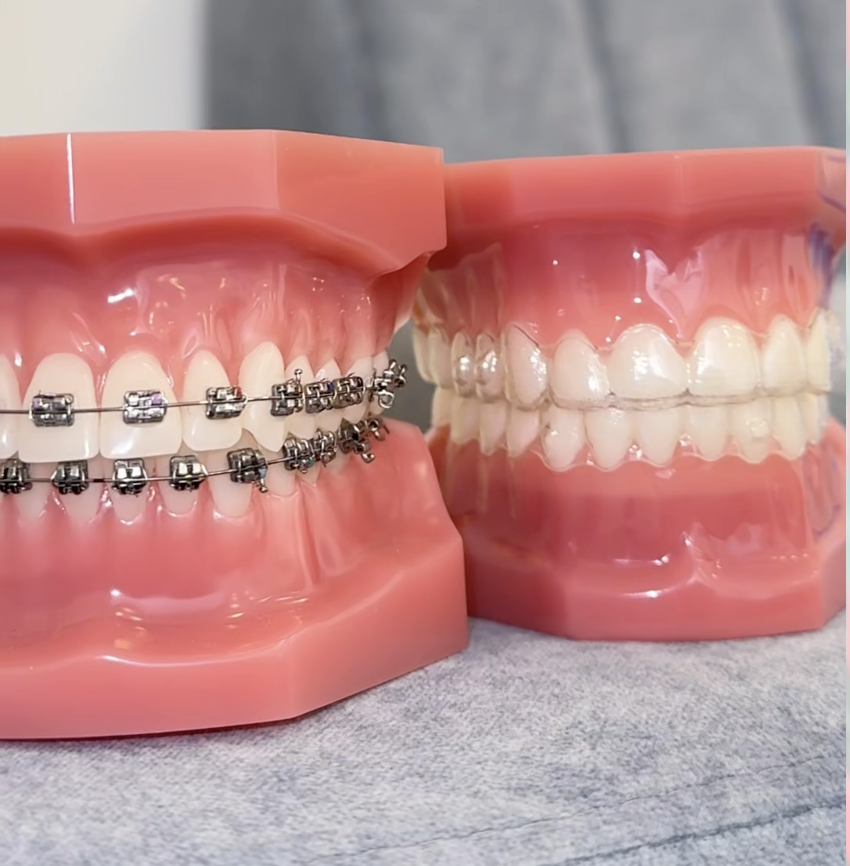
Braces vs. Aligners — Which One Is Right for You?
Braces vs. Aligners — Which One Is Right for You?
If you've ever sat in the consultation chair wondering "braces or aligners?", you're definitely not alone. It's one of the most common questions I get asked, and honestly, there's no one-size-fits-all answer. Both work — but they work differently, and the best choice depends on your specific teeth, lifestyle, and how committed you are to the process.
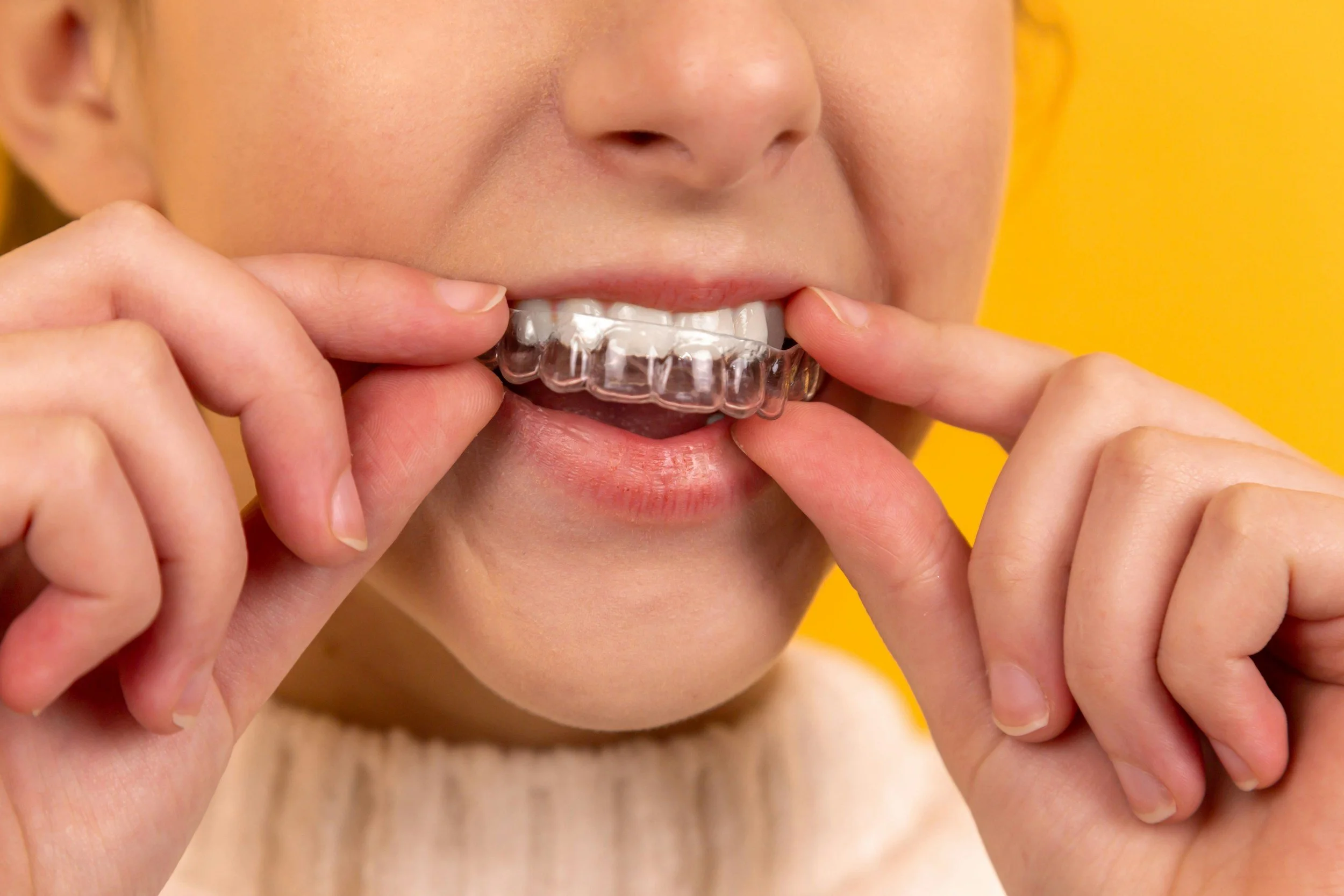
What no one tells you about aligners
Aligner treatment is one of the most googled topics in dentistry today — and with so many brands out there, it can feel overwhelming to know where to start. Social media makes it look simple. But there are questions worth asking before you commit — because aligner treatment is not cheap, and we want to do it once, and do it right.
Here are six things I'd encourage every patient to think about before choosing an aligner brand.

What are bite blockers — and why do I need them?
If your doctor has mentioned bite blockers as part of your orthodontic treatment, you might be wondering what they are and why they are necessary. Here is everything you need to know.

What is aligner treatment?
If you are considering aligner treatment or are already partway through your journey, this guide covers everything you need to know — from how aligners work, to what attachment bonding involves, what refinement scans are, and why they are a completely normal and expected part of the process.

What to expect at your first orthodontic visit?
Thinking about braces or aligners but not sure what happens at that first appointment? No surprises here — here's exactly what to expect!
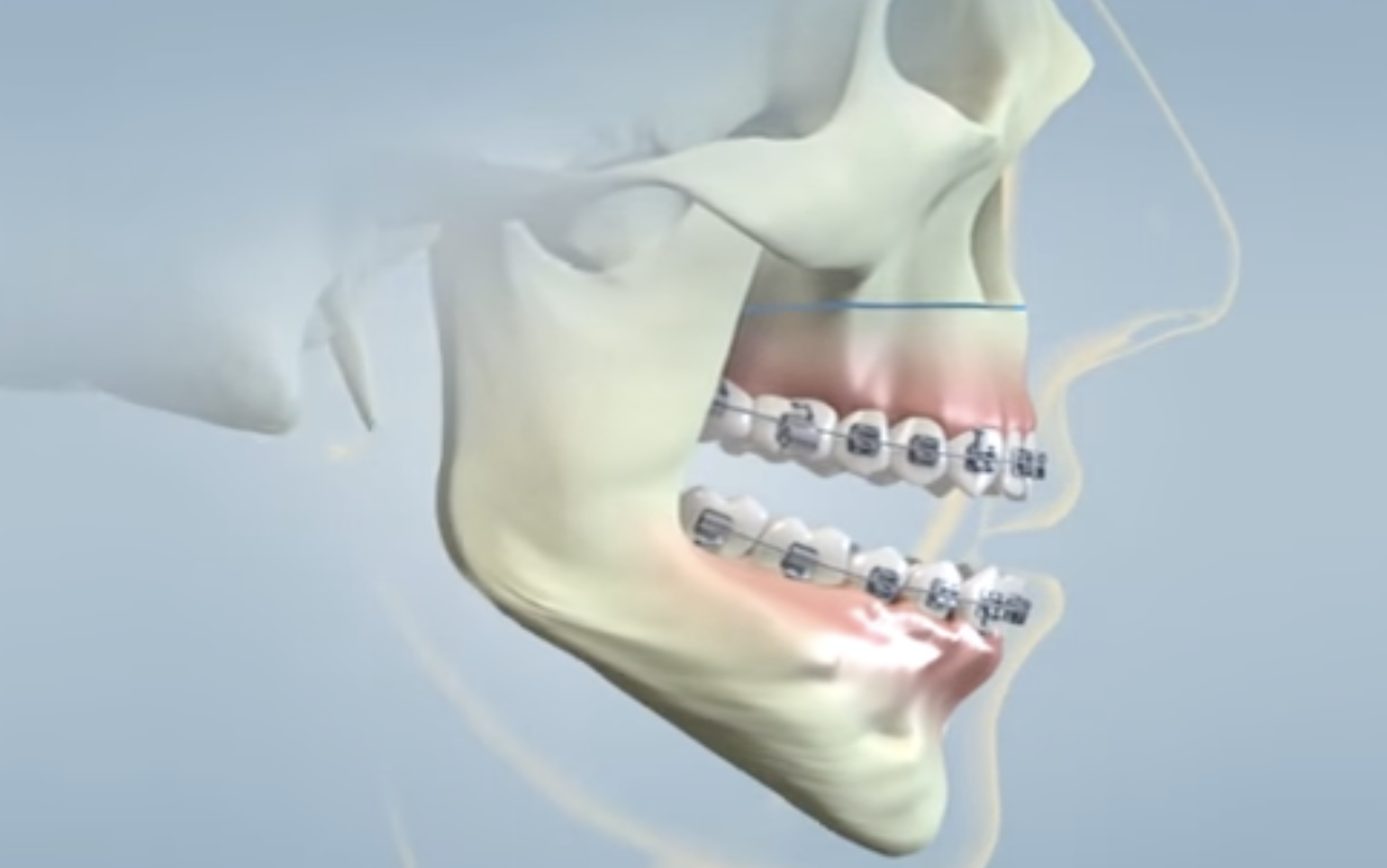
What is jaw surgery?
If your dentist has mentioned jaw surgery as part of your treatment plan, you probably have a lot of questions. What exactly is it? Why can't braces alone fix the problem? What does the process involve?
Here is an honest, clear guide to help you understand what jaw surgery is and what to expect.
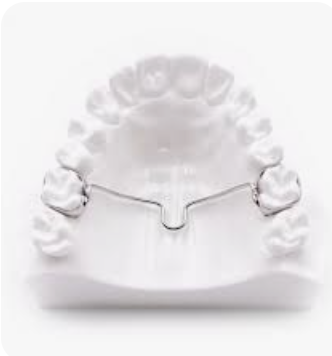
Your guide to the transpalatal arch and lingual arch
Your dentist has fitted you with a transpalatal arch or lingual arch — a fixed metal bar that sits across the roof of your mouth or behind your lower front teeth. Here is everything you need to know about what to expect and how to care for it.
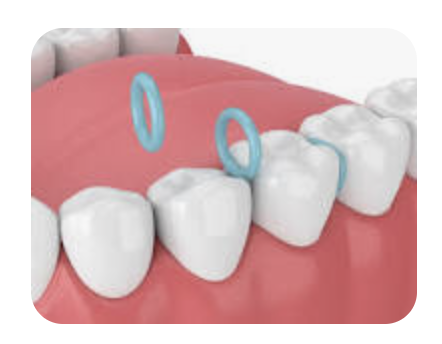
Your guide to orthodontic separators
If your dentist has placed separators between your teeth today, you might be wondering what exactly they are and what to expect over the next few days. Here's everything you need to know.
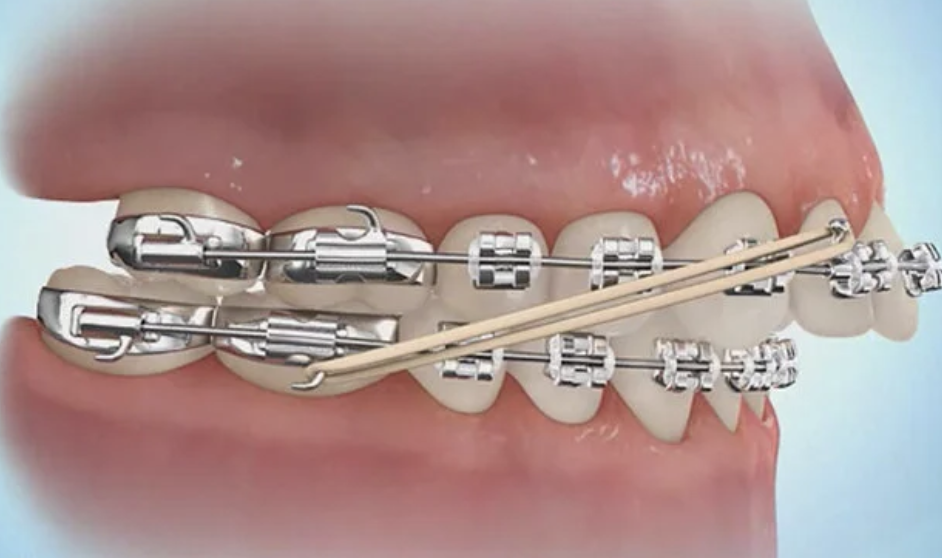
How to wear orthodontic elastics
Orthodontic elastics are small rubber bands that connect your upper and lower braces or aligner attachments to apply gentle but consistent force across the jaws. Unlike the archwire which moves individual teeth, elastics work on a larger scale — they correct the relationship between the upper and lower jaw and teeth.