Dental advice, patient guides, and everything in between
Need product recommendations?
〰️
Click here
〰️
Need product recommendations? 〰️ Click here 〰️
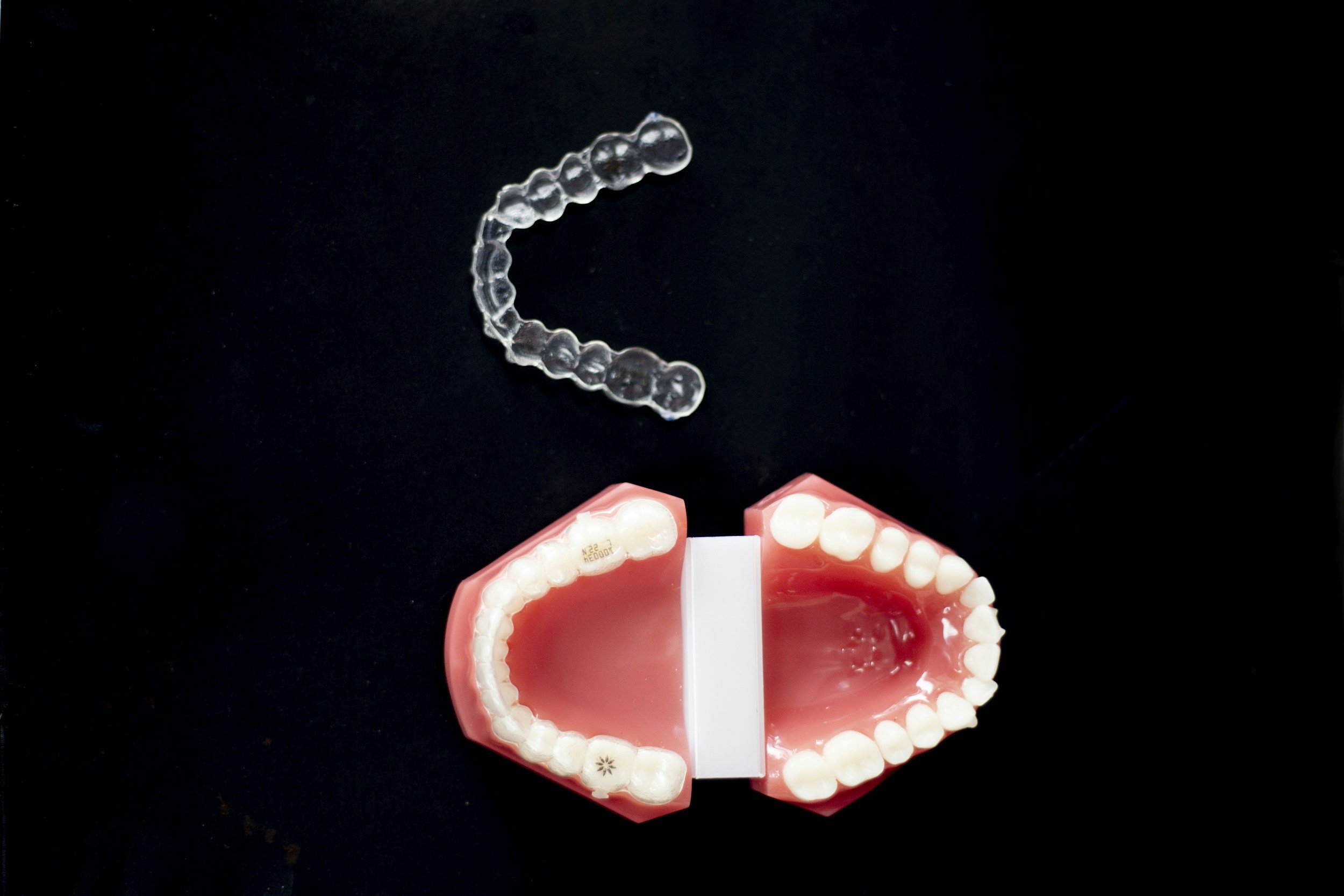
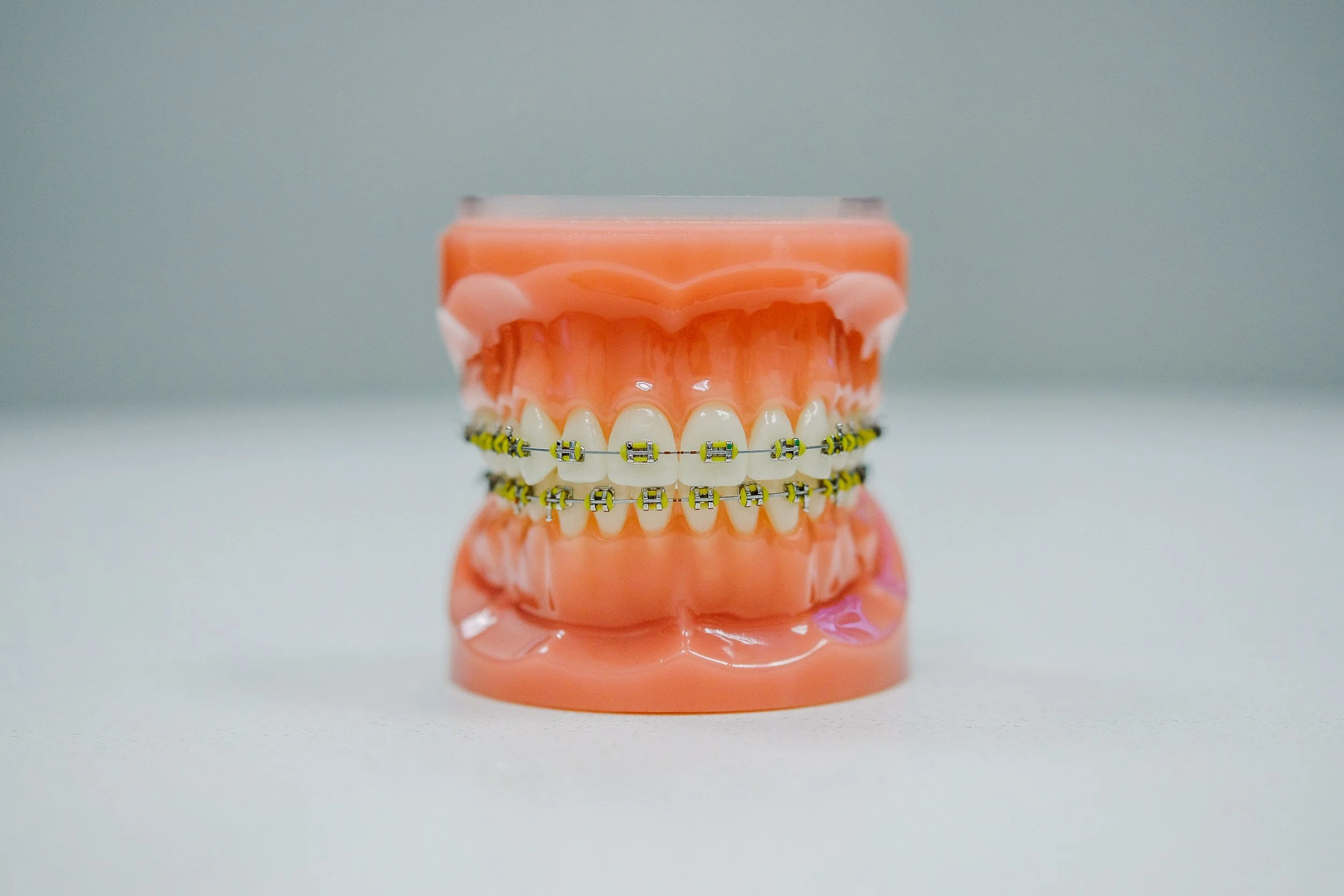
Braces in Singapore: Cost, Pain, Best Age to Start & Everything Else You're Probably Googling at 1am
How much do braces cost in Singapore? Are they painful? What's the best age to start, and can adults get them too? These are the questions I get asked in nearly every consultation — so here's what I'd actually tell you if you were sitting in my chair, from cost and pain to timelines and whether braces or clear aligners are the better fit for you.
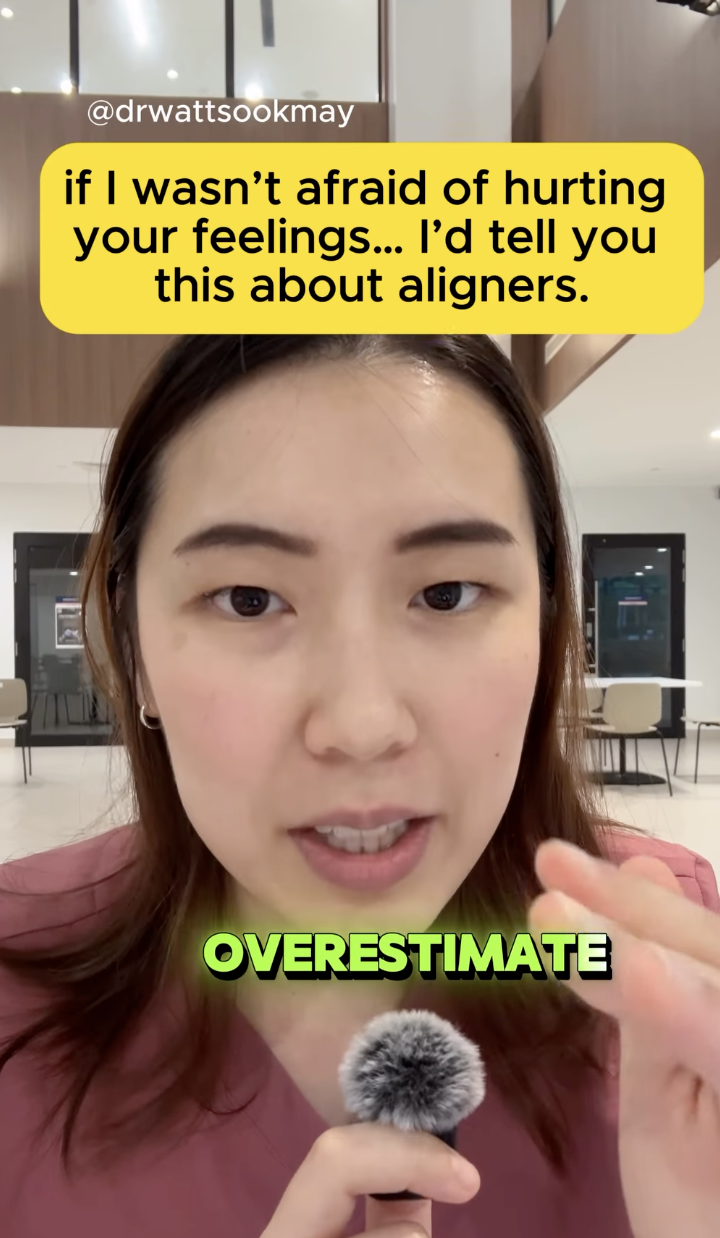
🦷 Before you start Invisalign or clear aligner treatment, ask yourself this
Thinking about Invisalign or clear aligner treatment? 🦷 One of the biggest factors affecting aligner success is patient compliance. Clear aligners typically need to be worn around 20–22 hours per day to achieve predictable tooth movement.
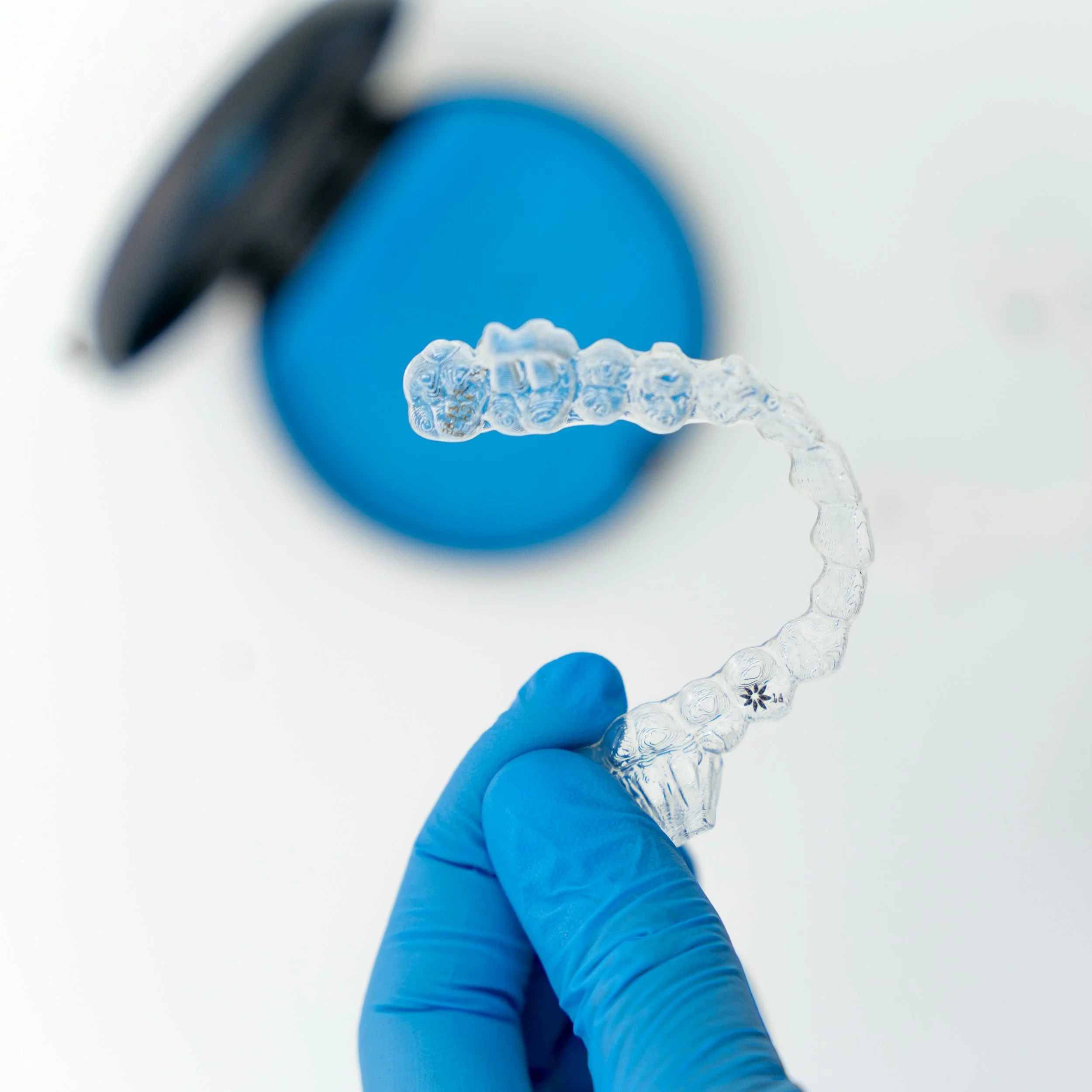
What aligners are not: 5 Things Your Dentist Wants You to Know Before You Start
Thinking about clear aligners? Before you commit, here are 5 things aligners are not. Because good treatment starts with realistic expectations.

how to waste money on aligner treatment
(a guide from your dentist with a masters in orthodontics)
aligner treatment only works when you wear it consistently — and yet so many patients unknowingly sabotage their own results. from storing aligners in tissue paper to skipping appointments and ignoring elastics, the small habits add up fast.
so here's your complete guide on how to waste money on aligner treatment. from a dentist with a masters in orthodontics. you're welcome.
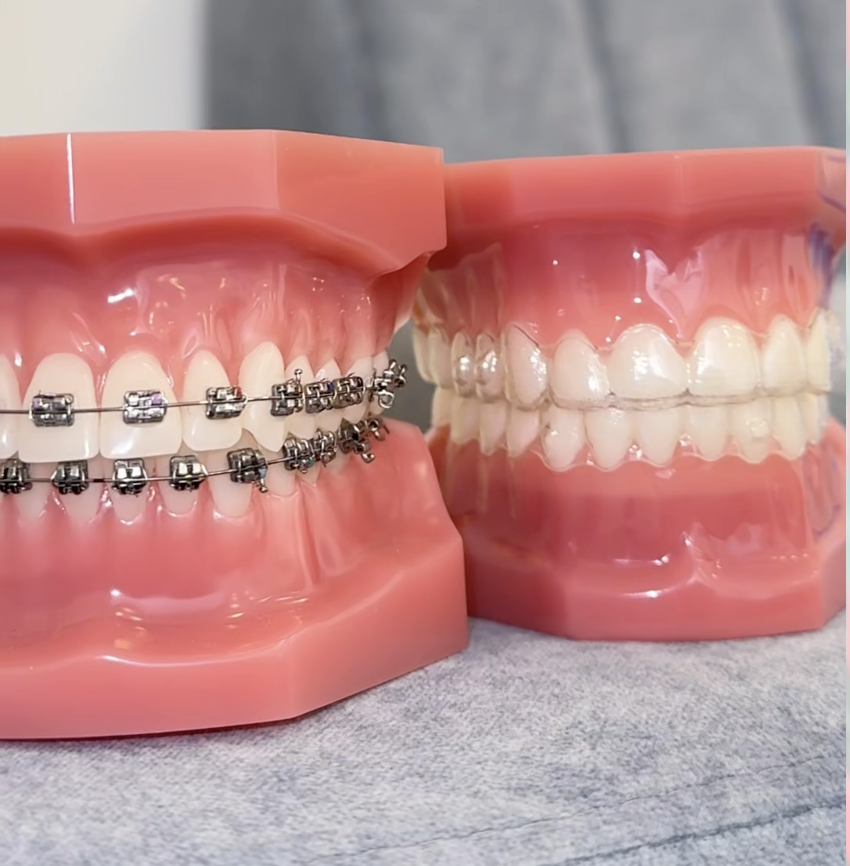
Braces vs. Aligners — Which One Is Right for You?
Braces vs. Aligners — Which One Is Right for You?
If you've ever sat in the consultation chair wondering "braces or aligners?", you're definitely not alone. It's one of the most common questions I get asked, and honestly, there's no one-size-fits-all answer. Both work — but they work differently, and the best choice depends on your specific teeth, lifestyle, and how committed you are to the process.
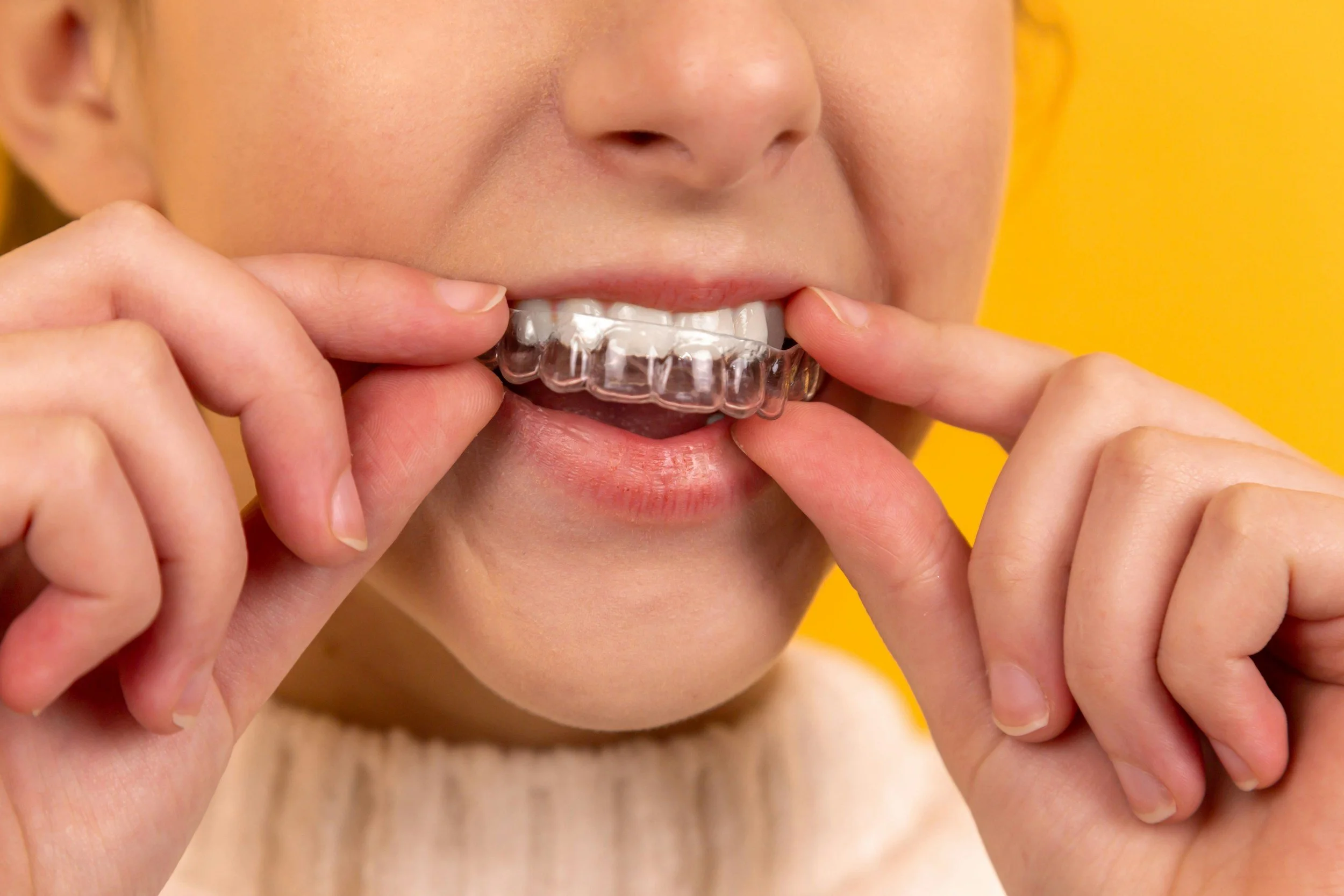
What no one tells you about aligners
Aligner treatment is one of the most googled topics in dentistry today — and with so many brands out there, it can feel overwhelming to know where to start. Social media makes it look simple. But there are questions worth asking before you commit — because aligner treatment is not cheap, and we want to do it once, and do it right.
Here are six things I'd encourage every patient to think about before choosing an aligner brand.

What are bite blockers — and why do I need them?
If your doctor has mentioned bite blockers as part of your orthodontic treatment, you might be wondering what they are and why they are necessary. Here is everything you need to know.

What is aligner treatment?
If you are considering aligner treatment or are already partway through your journey, this guide covers everything you need to know — from how aligners work, to what attachment bonding involves, what refinement scans are, and why they are a completely normal and expected part of the process.

What to expect at your first orthodontic visit?
Thinking about braces or aligners but not sure what happens at that first appointment? No surprises here — here's exactly what to expect!
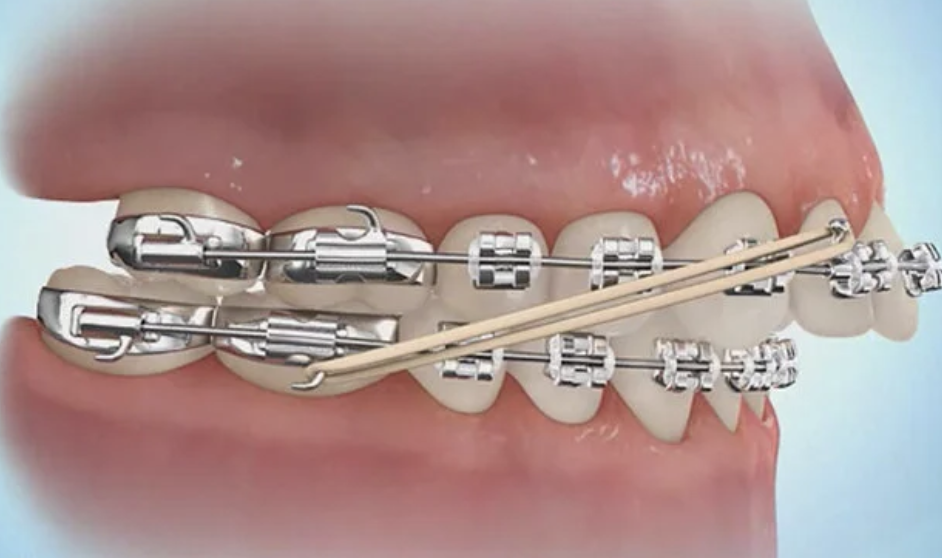
How to wear orthodontic elastics
Orthodontic elastics are small rubber bands that connect your upper and lower braces or aligner attachments to apply gentle but consistent force across the jaws. Unlike the archwire which moves individual teeth, elastics work on a larger scale — they correct the relationship between the upper and lower jaw and teeth.
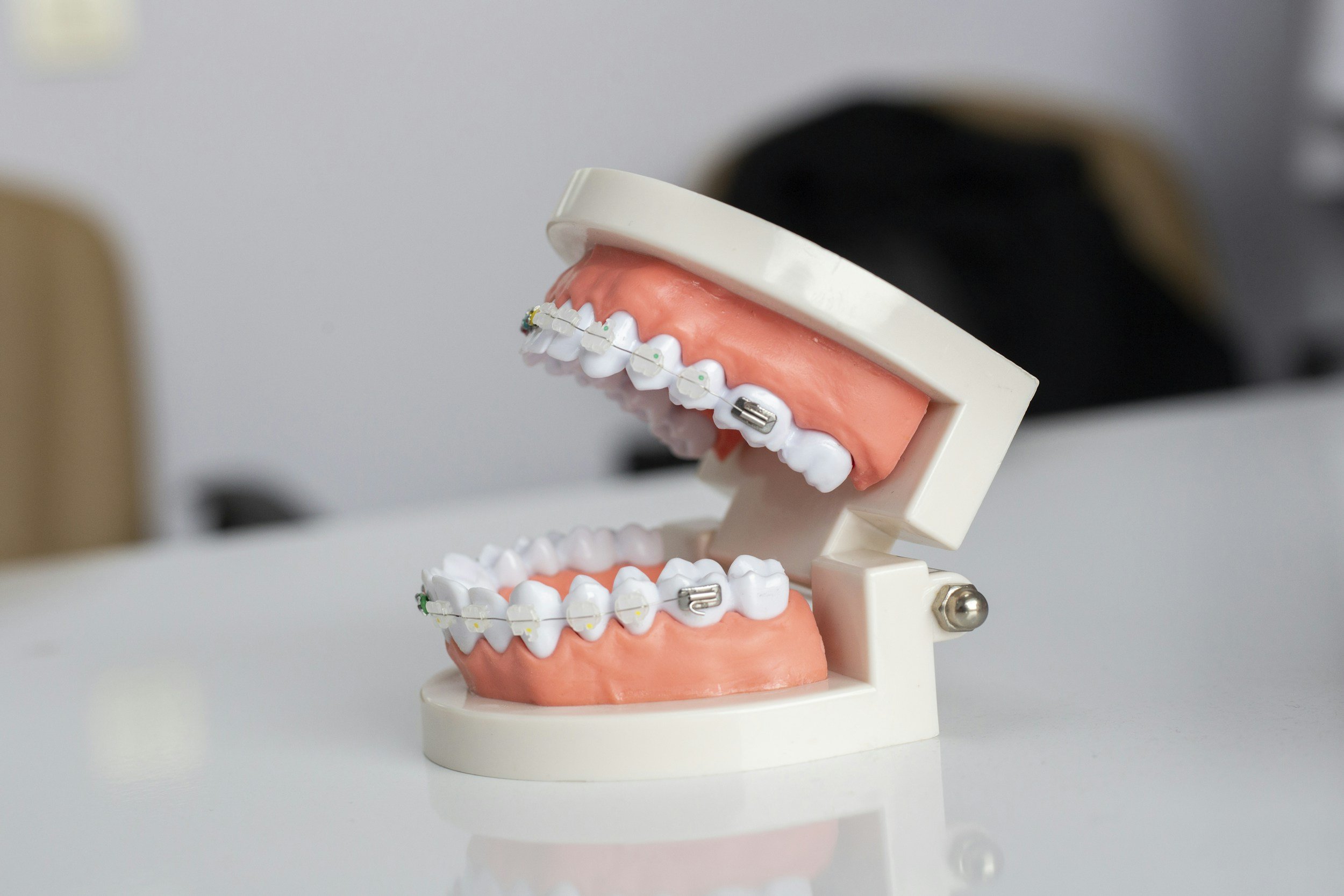
Patient guide After TAD Placement
A TAD — or Temporary Anchorage Device — is a small mini-screw that is placed into the jawbone to provide a fixed point of anchorage during orthodontic treatment. Think of it as a tiny anchor that helps your orthodontist move specific teeth more precisely and efficiently than traditional braces or aligners alone can achieve. Here's everything you need to know after having your TAD placed.
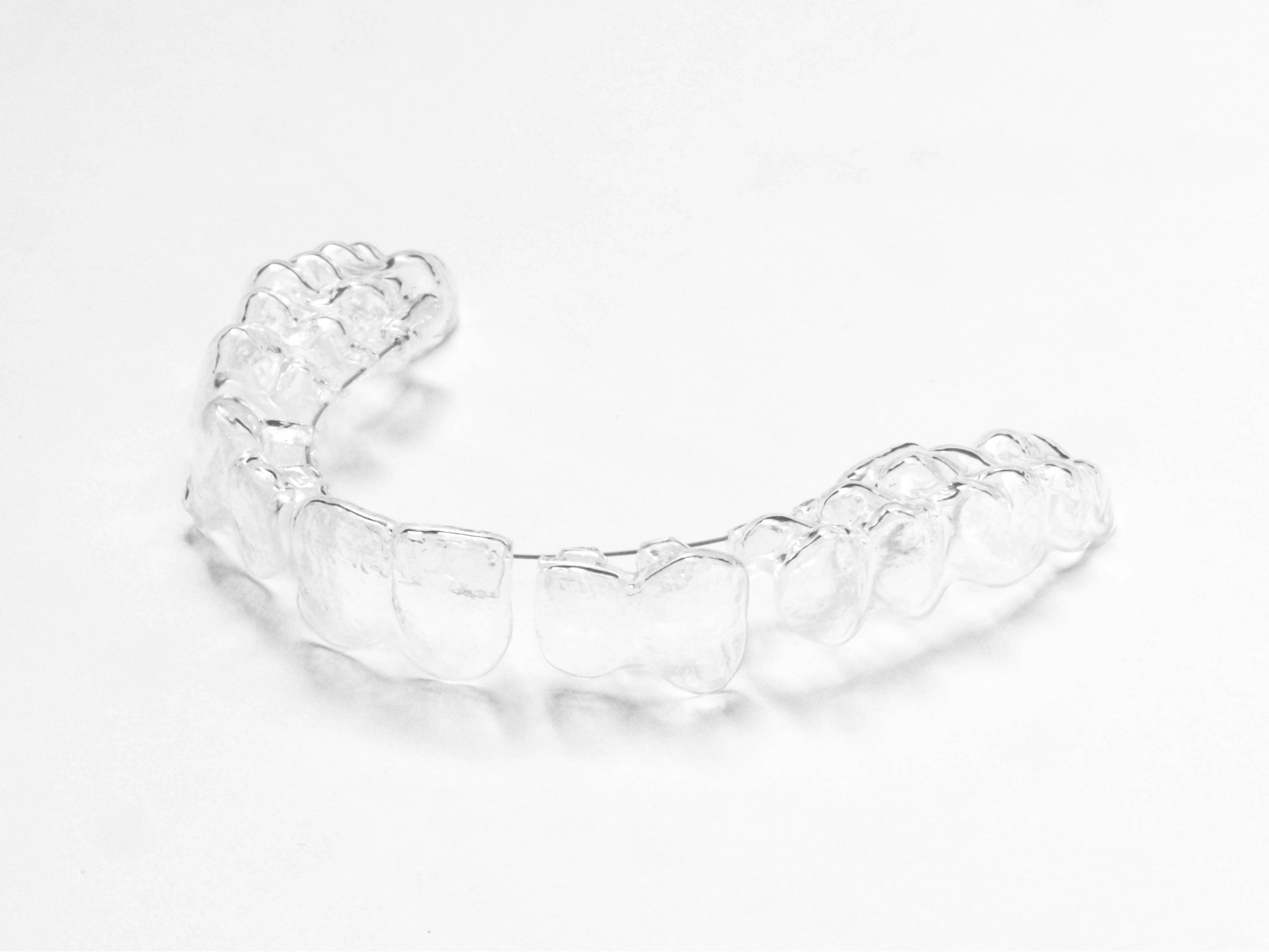
Retainer wear & care instructions
Congratulations on completing your orthodontic treatment — your smile looks amazing! But the journey doesn't quite end here. Retainers are one of the most important parts of your orthodontic treatment, and wearing them consistently is what keeps your results looking great for life. Here's everything you need to know.
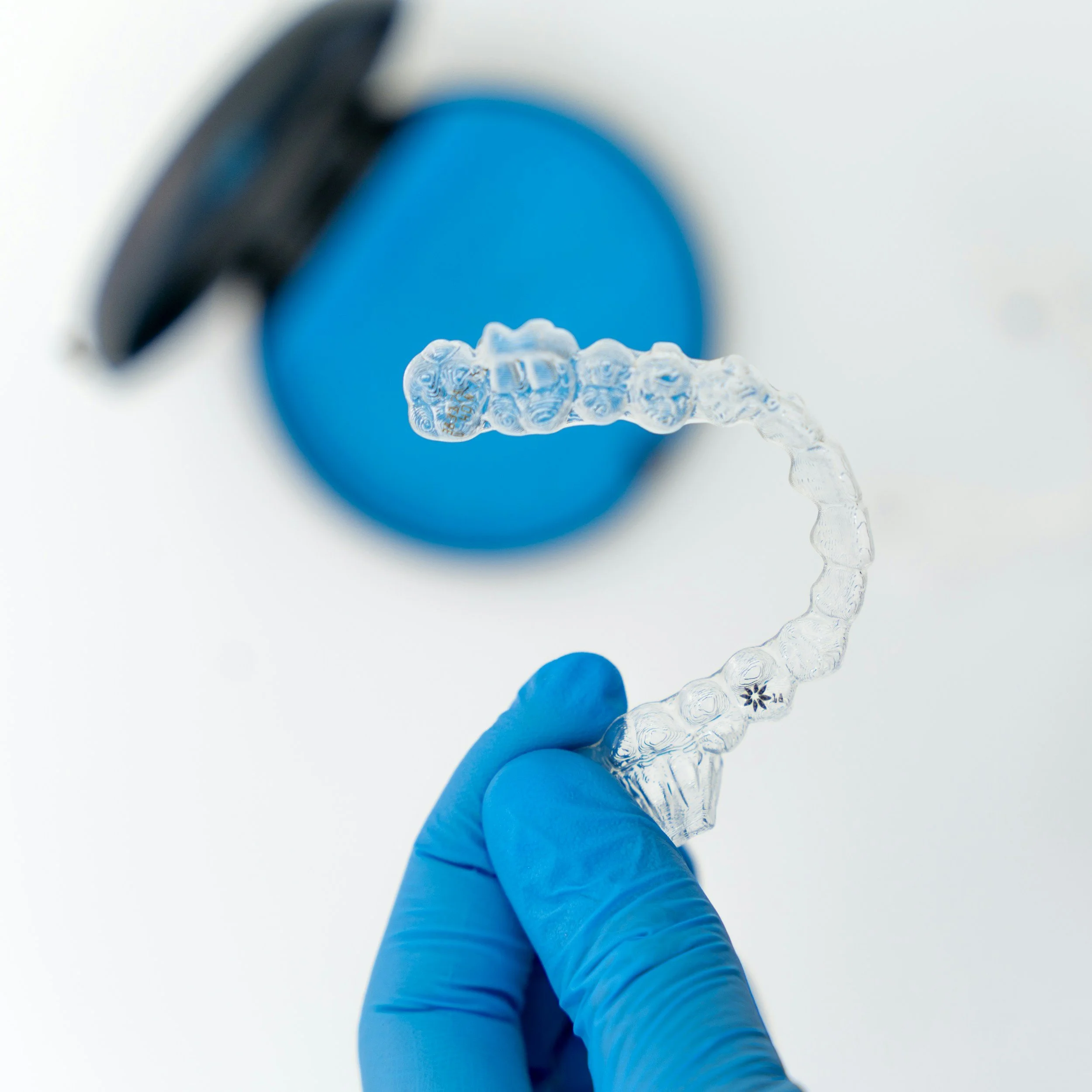
Aligner wear & care instructions
Congratulations on starting your aligner journey! Aligners are a fantastic way to straighten your teeth discreetly — but getting the best results comes down to how well you wear and care for them. Here's everything you need to know.
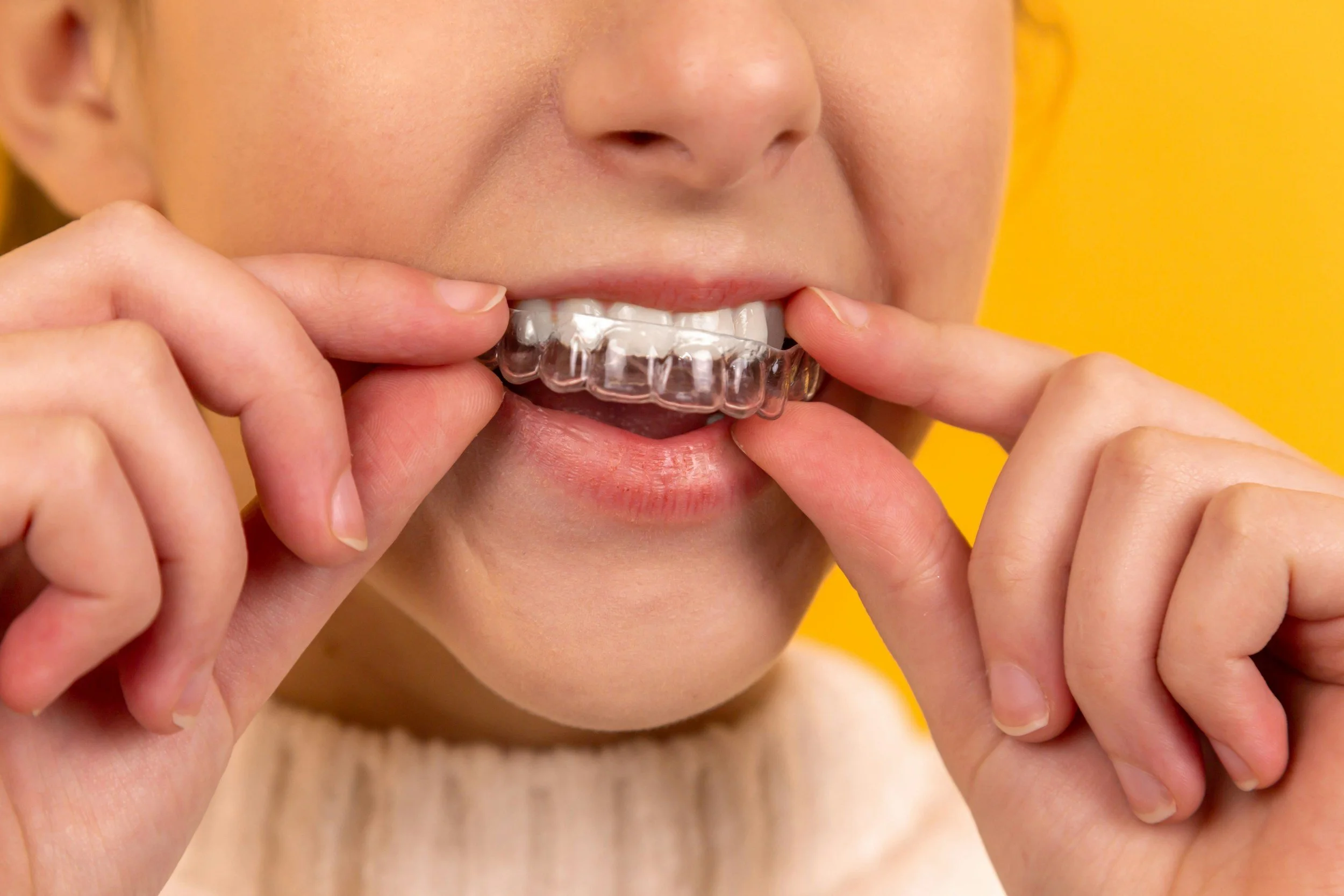
What to do in an aligner emergency
Running into a problem with your aligners? Don't panic — most issues are straightforward to manage at home. Here's what to do for the most common aligner emergencies.
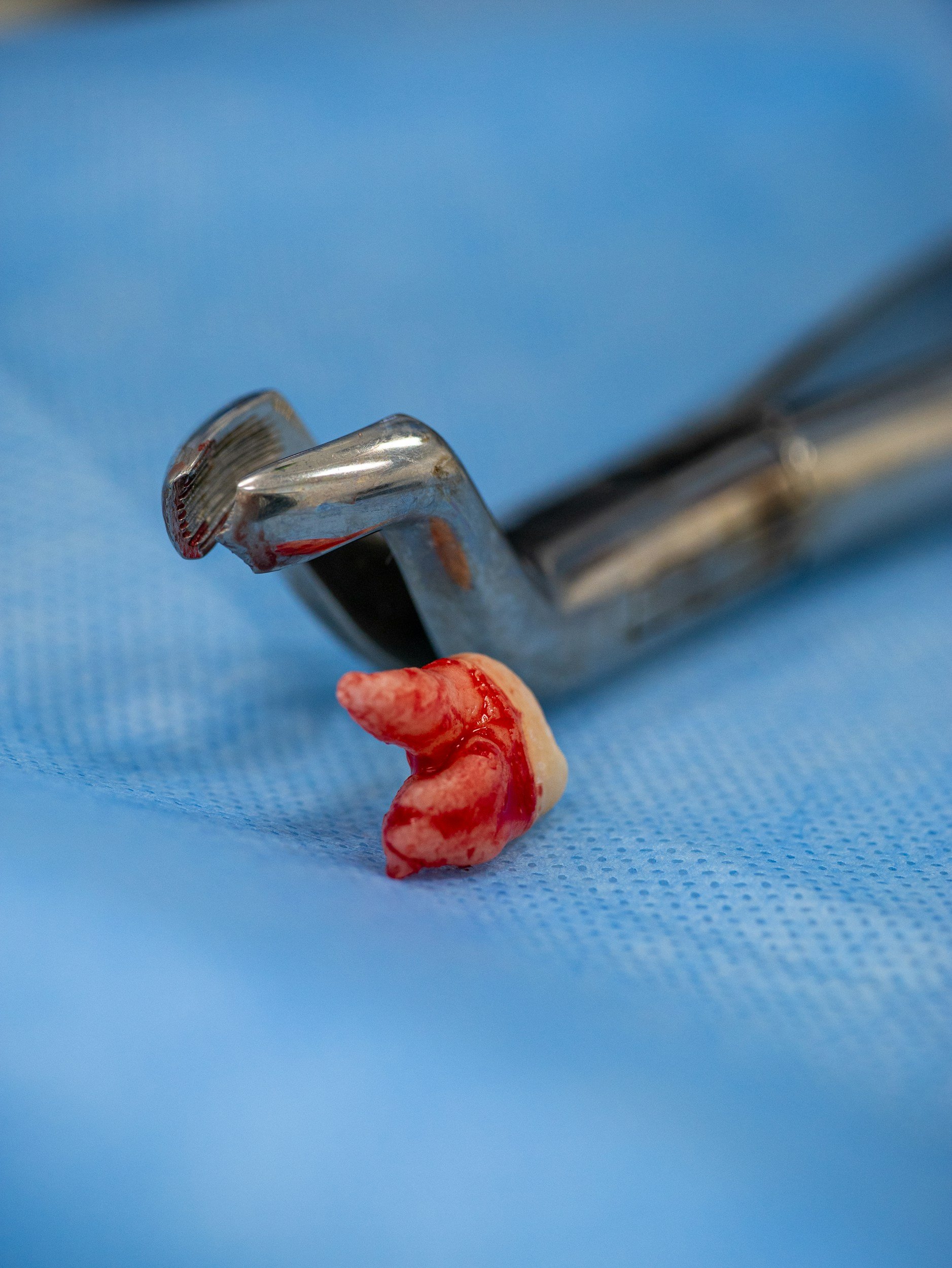
Post-extraction care instructions
Having a tooth removed is a routine procedure — but how well you care for the socket afterwards plays a big role in how quickly and comfortably you heal. Please follow these instructions carefully.
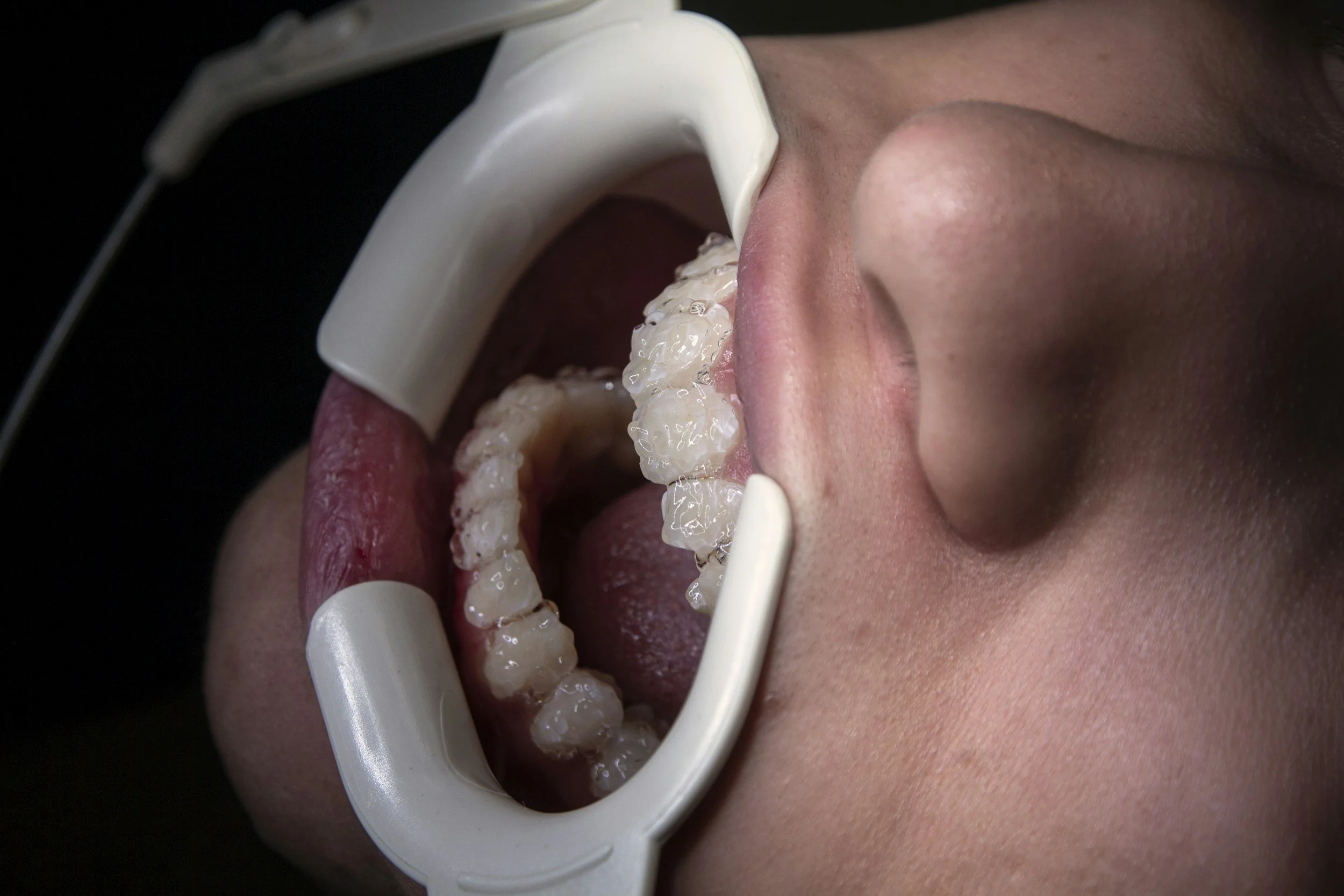
What to expect at your aligner attachment bonding appointment
Most aligner cases will require attachments. You might be wondering what exactly they are and what the appointment involves. Here's everything you need to know!
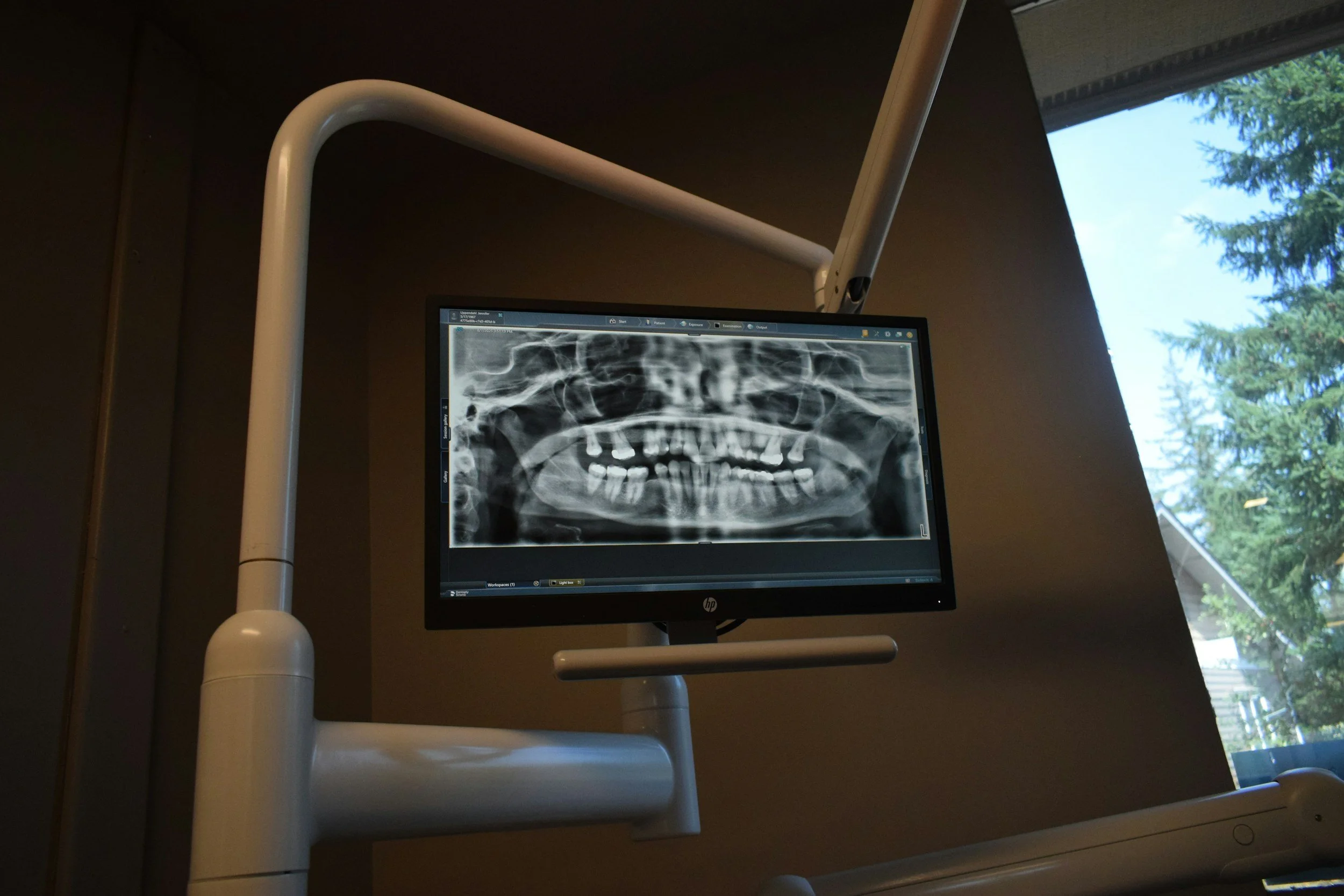
Dental X-rays — what they are, why we need them, and why they are safe
X-rays are one of the most valuable diagnostic tools in dentistry — but we completely understand that some patients have questions or concerns about them. Here's everything you need to know.
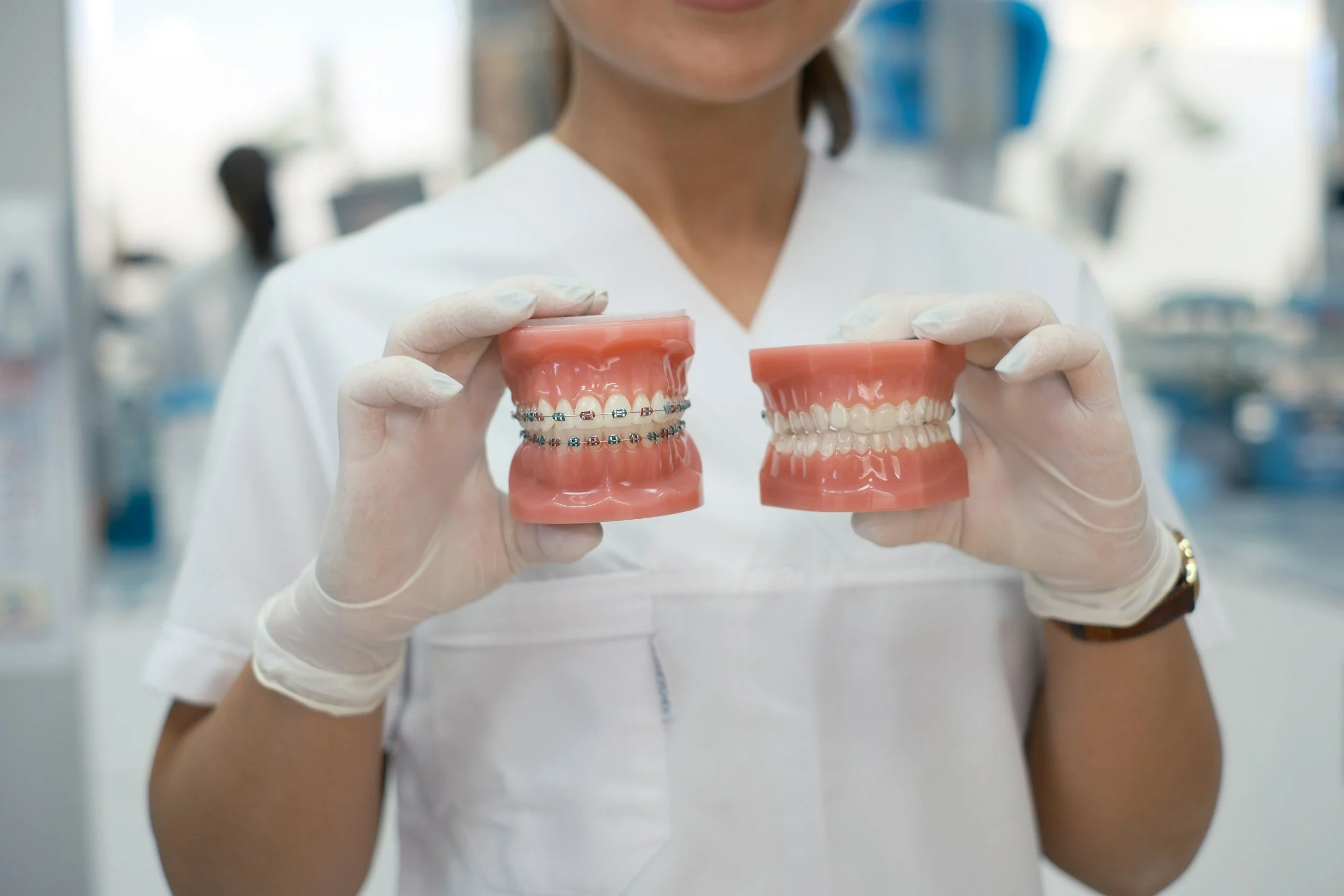
What are the risks of orthodontic treatment and how can I prevent it?
Orthodontic treatment is safe and well-established — but like any medical or dental treatment, it is not without risks. Being informed about these risks and knowing how to prevent them is an important part of being an empowered patient.
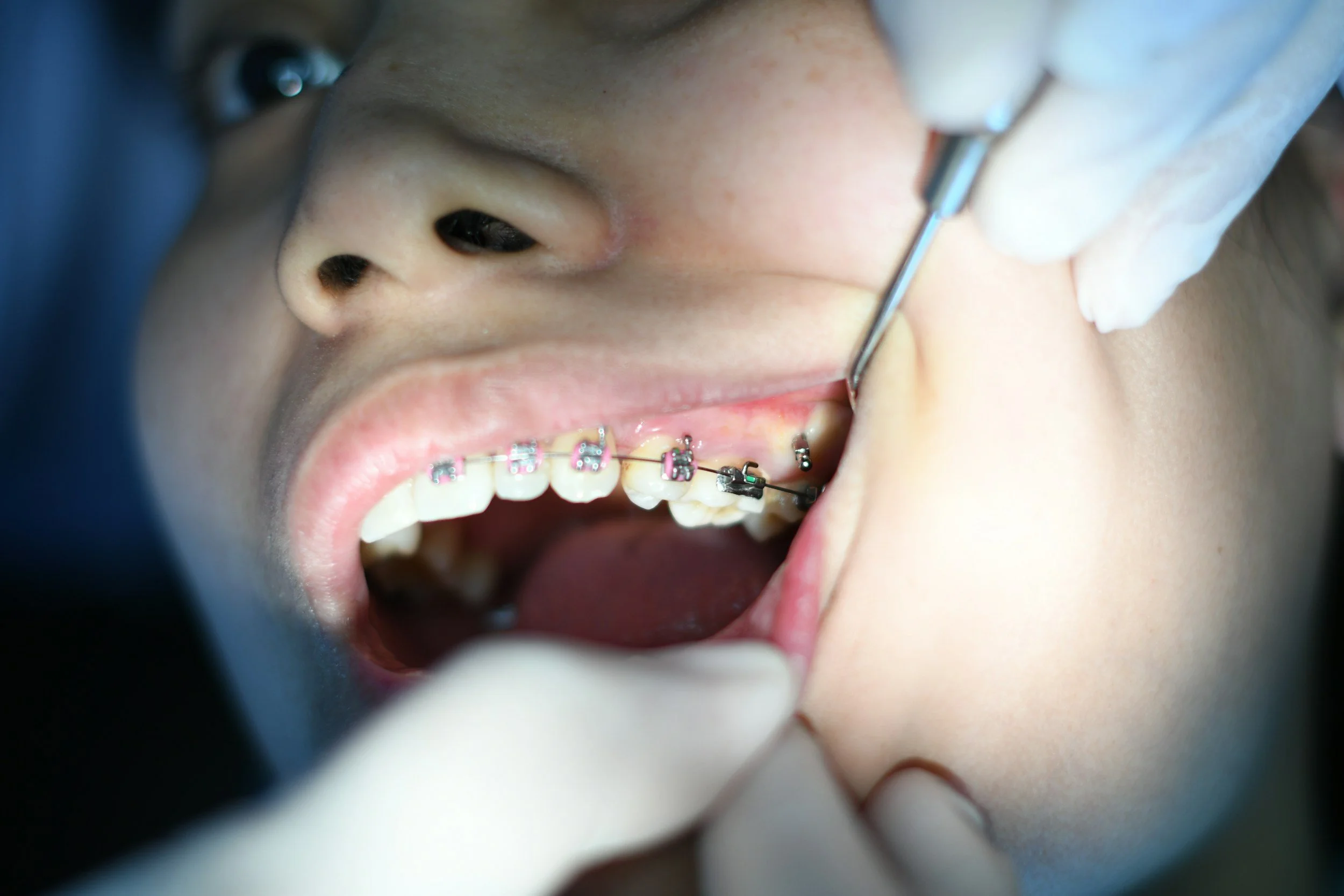
What to do in an orthodontic emergency
First things first — true orthodontic emergencies are actually quite rare. Most issues that come up during treatment are minor discomforts that can be managed at home until your next appointment. Here's a guide to the most common situations and what to do about each one.