Dental advice, patient guides, and everything in between
Need product recommendations?
〰️
Click here
〰️
Need product recommendations? 〰️ Click here 〰️

5 Things That Can Help Your Child Feel More Comfortable at the Dentist
Taking your child to the dentist for the first time can feel daunting, especially if you’re not sure how they will react. Will they sit in the dental chair? Will they open their mouth? Will they cry?
As a Singapore dentist who sees children as part of my general dental practice, I’ve noticed that some 3- to 6-year-olds tend to settle into the dental environment more easily. While every child is different, there are a few things these children often have in common.

Attention parents: 7 signs there could be something wrong with your child’s teeth
Please share this with parents you know!
It’s very common for children to be referred for an orthodontic assessment. However, in reality, not every referral is followed through. Sometimes the referral is forgotten, misplaced, or simply delayed because the child isn’t experiencing any pain.
By the time some children eventually present for an orthodontic assessment, the ideal window for certain growth modification treatments may already have passed. Not every child needs early orthodontic treatment, but an assessment allows us to determine whether treatment is needed now, later, or simply to monitor growth and tooth development.
This list is not exhaustive, but I hope it raises awareness of some of the bite problems that can occur during childhood and why early assessment can sometimes make a significant difference.
Disclaimer: This video is for patient education only and is not intended to substitute professional dental or orthodontic advice. Every child is different, and treatment recommendations should be based on an individual clinical assessment.

Can Braces Change the Shape of Your Face?
If you have been wondering whether orthodontic treatment can change your face shape, whether braces affect your side profile, or what the difference is between growth modification and jaw surgery in Singapore, this post covers the key clinical principles behind these questions.
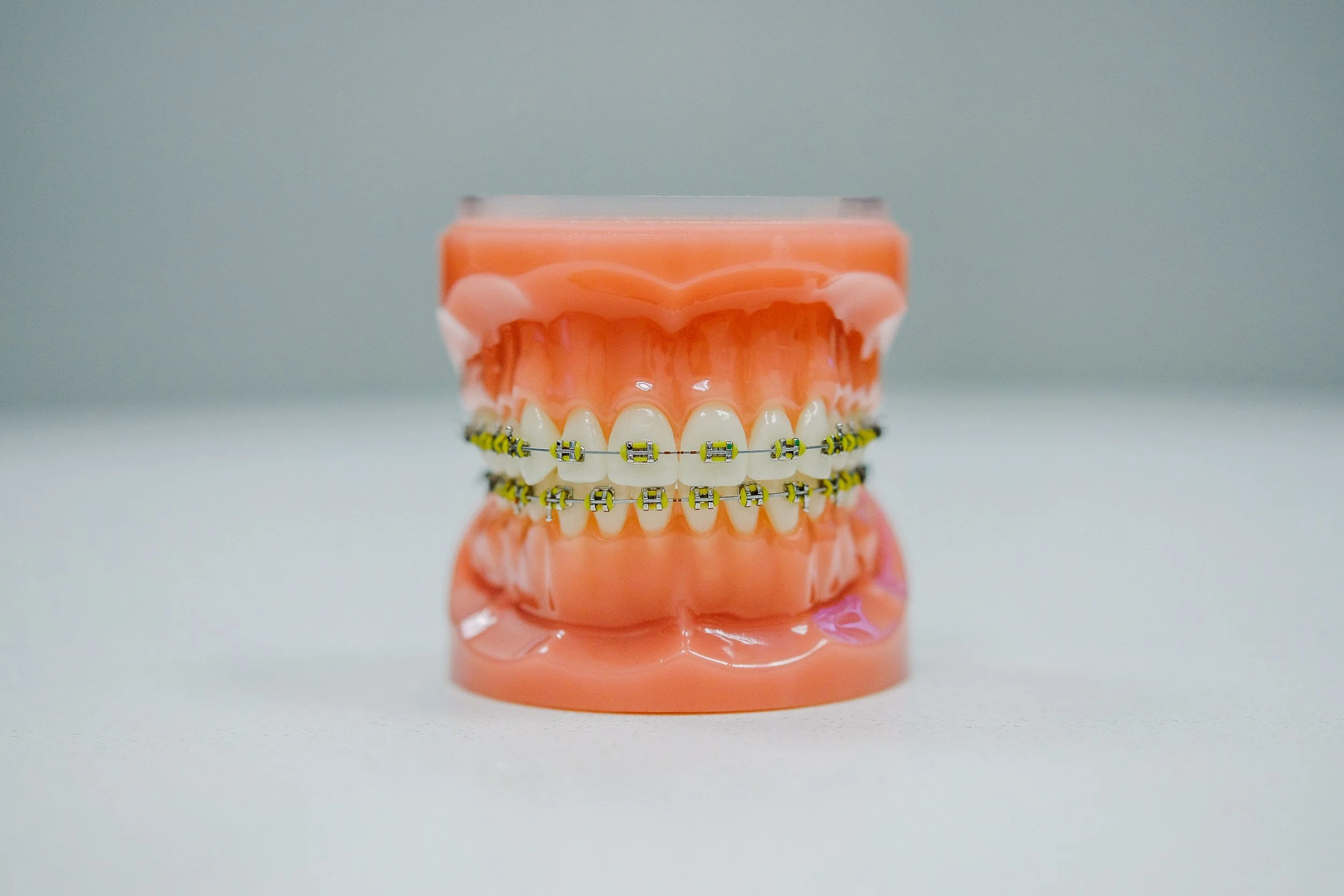
Braces in Singapore: Cost, Pain, Best Age to Start & Everything Else You're Probably Googling at 1am
How much do braces cost in Singapore? Are they painful? What's the best age to start, and can adults get them too? These are the questions I get asked in nearly every consultation — so here's what I'd actually tell you if you were sitting in my chair, from cost and pain to timelines and whether braces or clear aligners are the better fit for you.
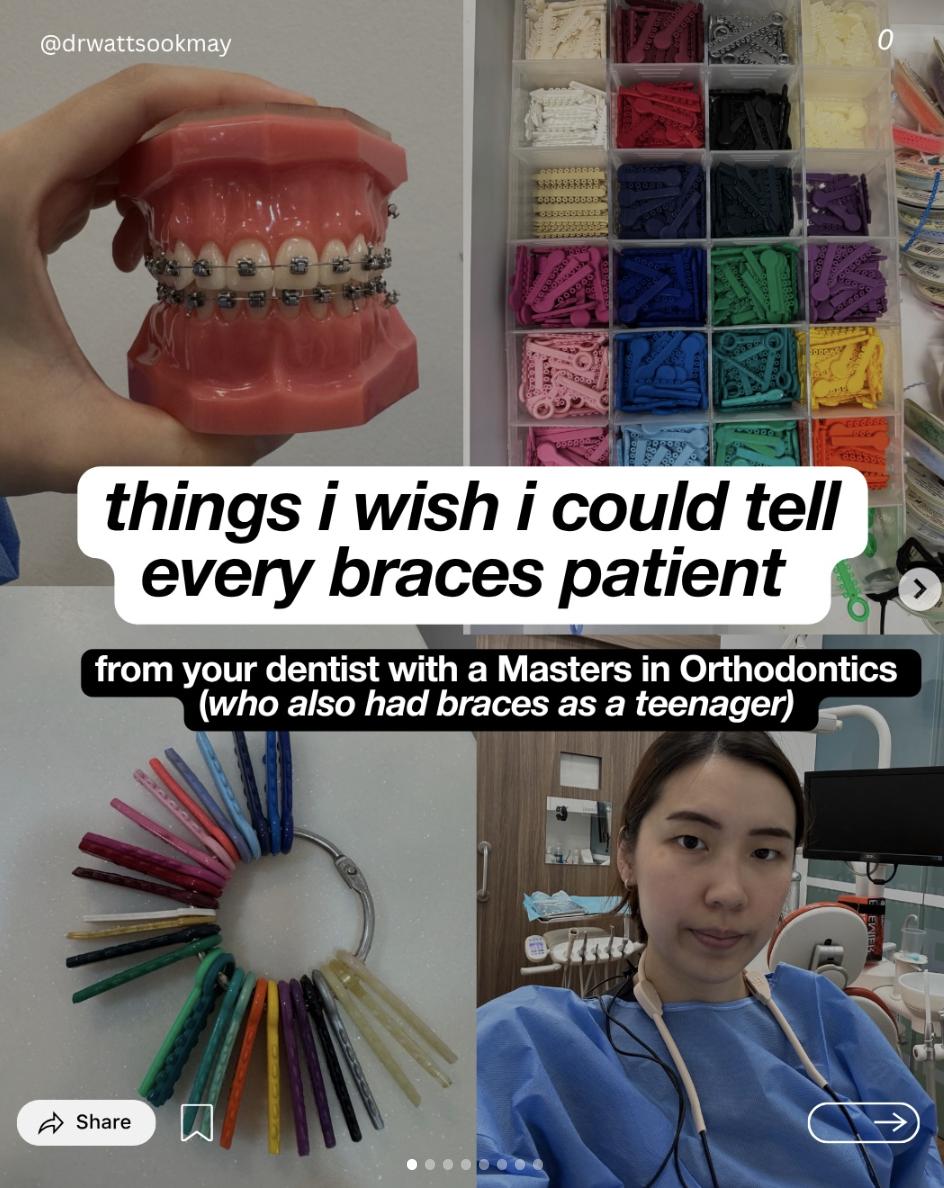
Things I Wish I Could Tell Every Braces Patient
Thinking about braces or currently undergoing orthodontic treatment? Here are the practical tips I wish every braces patient knew—from appointment scheduling and travel planning to elastic wear and stain prevention. Small habits can make a big difference to your braces journey.

What are bite blockers — and why do I need them?
If your doctor has mentioned bite blockers as part of your orthodontic treatment, you might be wondering what they are and why they are necessary. Here is everything you need to know.
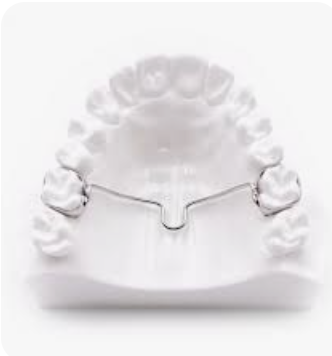
Your guide to the transpalatal arch and lingual arch
Your dentist has fitted you with a transpalatal arch or lingual arch — a fixed metal bar that sits across the roof of your mouth or behind your lower front teeth. Here is everything you need to know about what to expect and how to care for it.
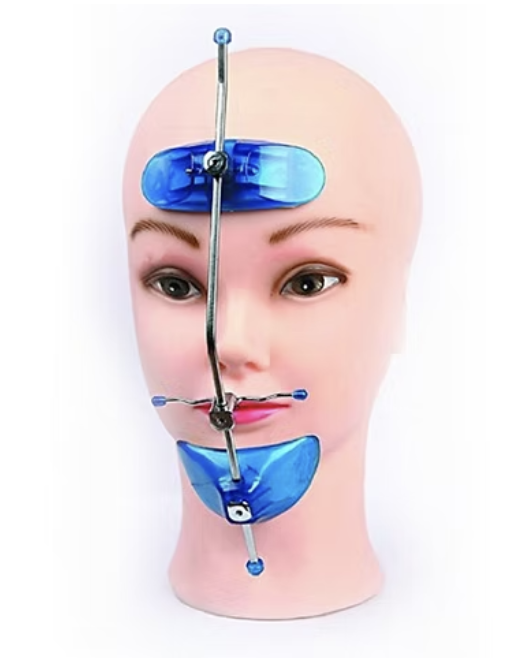
Patient guide for Facemask Protraction with expander
A facemask — also known as a reverse pull headgear or protraction facemask — is an orthodontic appliance worn on the outside of the face that works in combination with an expander inside the mouth to guide the growth of the upper jaw forward. It is used to correct a specific type of bite problem called an underbite caused by an underdeveloped upper jaw — and it is most effective when used during periods of active growth in children and young adolescents. Here is your complete guide.
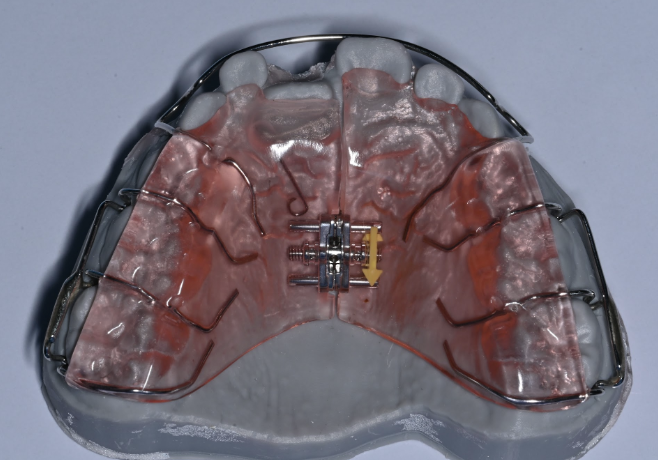
Patient guide for removable appliances
Removable orthodontic appliances come in many forms — from appliances with Z-springs that tip or move individual teeth, to removable expanders that gently widen the dental arch.
Whatever type your dentist has prescribed, the principles of wearing and caring for your appliance are the same. Here's your complete guide.
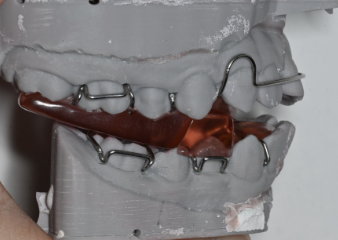
Patient guide for Twin Block appliance
A Twin Block is a removable orthodontic appliance made up of two separate parts — one for the upper teeth and one for the lower teeth. When worn together, the blocks guide the lower jaw forward into a more favourable position, helping to correct the relationship between the upper and lower jaws. It is one of the most effective and widely used functional appliances for growing patients. Here's everything you need to know.