Dental Crowns — What They Are and How to Choose the Right One
If your doctor has recommended a crown, you might be wondering — what exactly is it, and what are my options? Here's a simple, jargon-free guide to help you understand what crowns are and what to expect.
What is a dental crown?
Think of a crown as a protective cap that sits over a damaged or weakened tooth. It covers the entire visible part of the tooth — right down to the gum line — restoring its shape, strength, and appearance.
Crowns are commonly recommended after a root canal, when a tooth is cracked or broken, when there's too much damage for a filling to fix, or simply to improve how a tooth looks.
A helpful way to think about it
A crown is like a helmet for your tooth. It doesn't replace the tooth — it protects and strengthens what's already there, so you can keep using it normally for years to come.
Types of crown materials
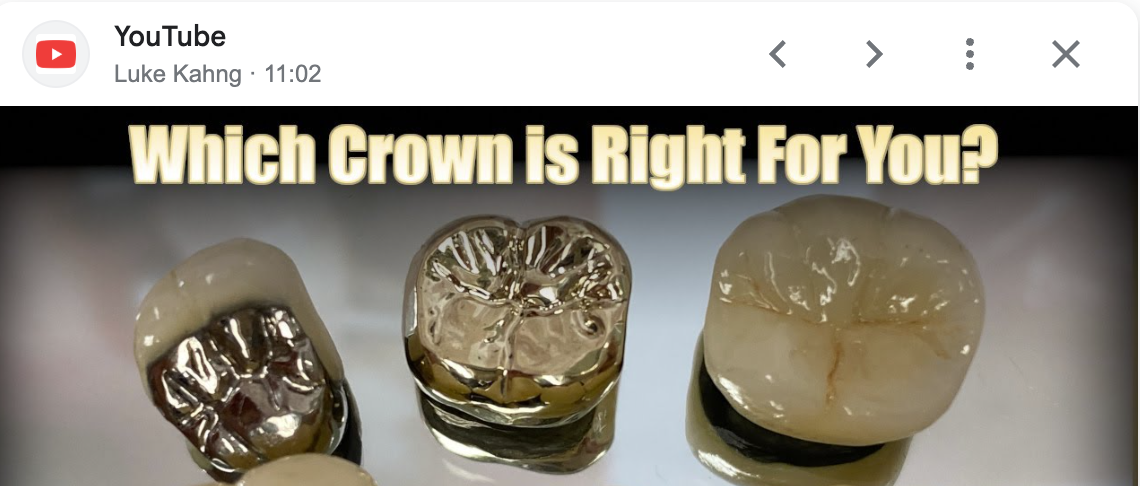
Crowns come in a few different materials, and the right choice depends on which tooth is being crowned, your budget, and your personal preference. Here's a simple breakdown.
1) Tooth-coloured crown
Also known as: all-ceramic or zirconia crown
Made entirely from a tooth-coloured material, these crowns blend in seamlessly with your natural teeth. Most patients can't tell the difference between the crown and their real teeth.
Advantages
Looks the most natural
No metal — good for those with sensitivities
Suitable for both front and back teeth
No dark line at the gum over time
Things to note
Generally the higher-cost option
May not be ideal for very heavy biters
2) Porcelain-fused-to-metal crown
This crown has a metal base for strength, with a tooth-coloured porcelain layer on top so it still looks natural. It's a tried-and-tested option that has been used in dentistry for decades.
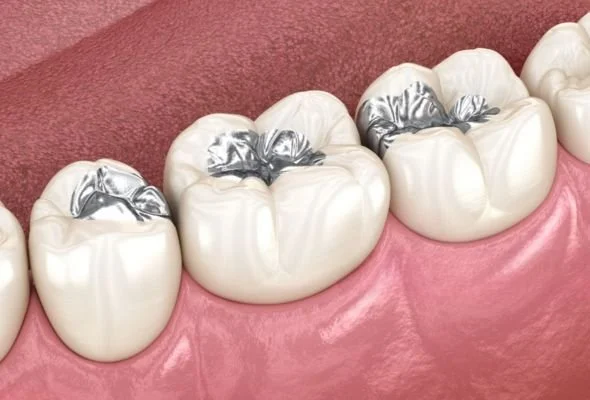
image credit: Istar dental lab
Advantages
Very strong and durable
Looks natural from the front
More affordable than full tooth-coloured options
Long track record of reliability
Things to note
Not fully tooth colored
3) Full metal crown
Made entirely from metal; these crowns are incredibly strong and gentle on the opposing teeth. They're most often used for the back teeth, where strength matters most and appearance is less of a concern.
Advantages
The most durable option — can last many decades
Very gentle on surrounding teeth
Requires less removal of natural tooth structure
Rarely chips or fractures
Things to note
Visible metallic colour — not tooth-coloured
Which one is right for me?
There's no single "best" crown material — it depends on your situation. Here are a few general guidelines, though your doctor will always advise based on what's best for your specific tooth.
For front teeth where appearance matters most — tooth-coloured crowns are usually preferred
For back teeth where strength is the priority — metal crowns or porcelain fused to metal crowns may be preferred
If you grind your teeth heavily — your doctor may recommend a stronger material
If budget is a consideration — discuss your options openly with your doctor
